Over the years, the color of your bedroom has profoundly impacted your mood and overall well-being. You should consider how shades evoke various feelings; for instance, soft blues promote calmness, while vibrant yellows can energize the space. As you choose your color, think about the light in your room and how it interacts with your desired shade, which can dramatically alter the ambiance. Ultimately, your bedroom should reflect your style and create a sanctuary where you feel relaxed and rejuvenated.
Key Takeaways:
- Choose colors that promote relaxation and tranquility, such as soft blues, greens, and neutrals, to create a peaceful sleeping environment.
- Consider the size and lighting of your bedroom; lighter shades can make a small space feel larger, while warmer tones can add coziness to larger rooms.
- Don’t overlook personal preferences and the existing décor; select a color that resonates with your style and complements your furnishings for a cohesive look.
Understanding Color Psychology
Before choosing a color for your bedroom, it’s essential to grasp the principles of color psychology. Colors can influence your feelings and even your behavior. By understanding how shades affect you, you can create a space that promotes relaxation, focus, or energy, fitting your personal preferences and lifestyle.
Impact of Color on Mood
The colors you select for your bedroom can significantly affect your mood. For instance, soothing hues like blue and green promote calmness and tranquility, making them ideal for a restful environment. In contrast, vibrant colors like red can stimulate energy and excitement, which may not be suitable for a relaxing space.
Color Associations
One aspect to consider is the common associations that colors have in our minds. Each color holds different meanings and evokes various emotions based on cultural influences and personal experiences. Understanding these associations can help you make a more informed choice for your bedroom’s ambiance.
This understanding allows you to tap into the inherent qualities of colors. For example, blue is often linked to serenity and tranquility, making it an excellent choice for sleep environments. Conversely, yellow is associated with happiness and energy, potentially making your space feel vibrant, but it may not be suitable for deep relaxation. Thus, aligning your bedroom color with your intended mood can significantly enhance overall well-being.
Popular Bedroom Colors
Any bedroom can benefit from a carefully chosen color palette. Popular shades such as soft blues, gentle greens, and warm beiges create inviting spaces that promote relaxation. These colors not only enhance the aesthetics of your room but can also significantly influence your mood and overall well-being. It’s imperative to consider how these hues resonate with your style and the ambiance you wish to create.
Calming Neutrals
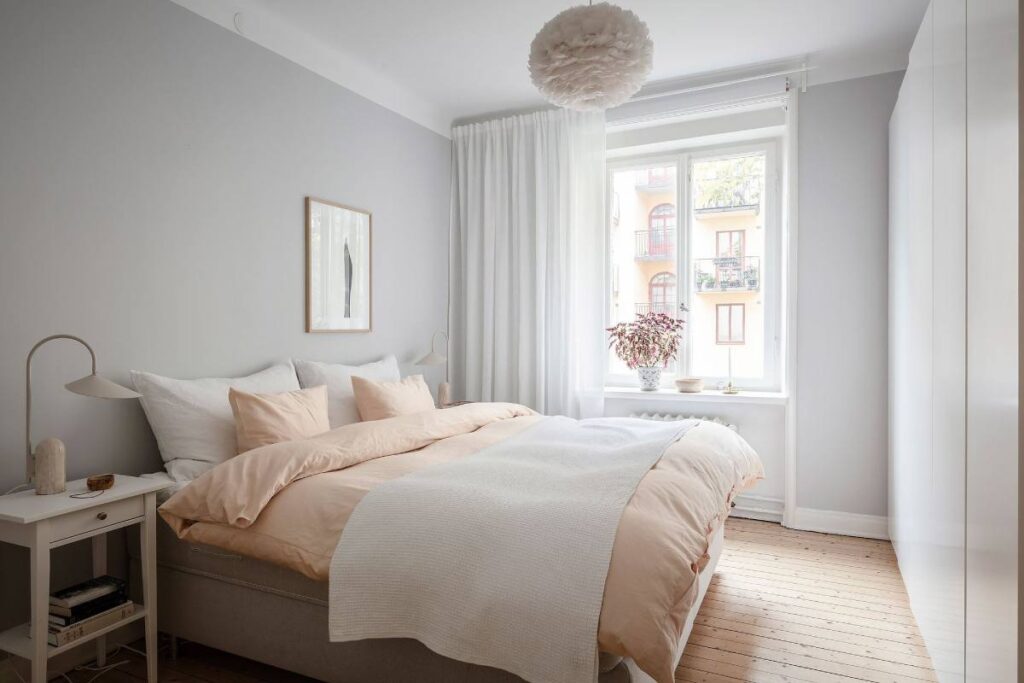
Colors like taupe, cream, and soft gray can evoke a sense of serenity in your bedroom. Their soothing nature lets you unwind after a long day while providing a versatile décor backdrop. Incorporating calming neutrals can make your space feel open and airy, enabling you to create a tranquil haven for rest.
Bold Accents
Between your walls and furnishings, adding bold accents is a fantastic way to inject personality into your bedroom. Vibrant colors like deep navy, rich burgundy, or energetic mustard can create focal points that draw attention and reflect your unique style. These accents can be introduced through bedding, artwork, or decorative pillows, elevating the overall vibe of your space.
This approach to design enhances your aesthetic and allows for dynamic relief from more subdued colors. By introducing bold accents, you can establish striking contrasts that invigorate your environment. Utilizing these elements in moderation is key; too much brightness can overwhelm the senses. However, when balanced strategically, these accents can inspire creativity and bring vibrant energy to your sanctuary, making your bedroom feel unique, personal, and inviting.
Choosing the Right Color for Your Space
After selecting a color palette that appeals to you, it’s essential to consider how that color will interact with your bedroom’s unique characteristics, think about the mood you want to create, the lighting, and how it complements your existing furnishings. Your color choice can significantly influence the overall atmosphere and functionality of the space, ultimately enhancing your comfort and relaxation.
Room Size and Natural Light
Room size and the amount of natural light your bedroom receives play a significant role in your paint selection. Opting for lighter shades in smaller rooms or those with limited light can create an illusion of space and make the room feel airier. Conversely, if you have a larger room with ample natural light, you can experiment with bolder, darker colors for a more intimate and cozy environment.
Furniture and Décor Coordination
Around your selected paint color, it’s imperative to consider how your furniture and décor will coordinate with it. The hues of your upholstery, wood finishes, and decorative accents should harmonize with the wall color to create a cohesive look.
Light colors paired with neutral furniture create a sophisticated and calming ambiance, whereas bold hues create a striking contrast. You should also consider textures and materials—soft fabrics and natural elements like wood can soften the overall aesthetic. By aligning your color choices with your furnishings, you enhance the visual flow and make the room more inviting.
Testing Colors Before Committing
Once again, it’s important to test potential colors before making a final decision for your bedroom. Paint can look significantly different depending on the lighting, time of day, and surrounding décor. By sampling shades on your walls, you can better envision how they will feel in your personal space, ensuring you love your choice for years.
Sample Swatches
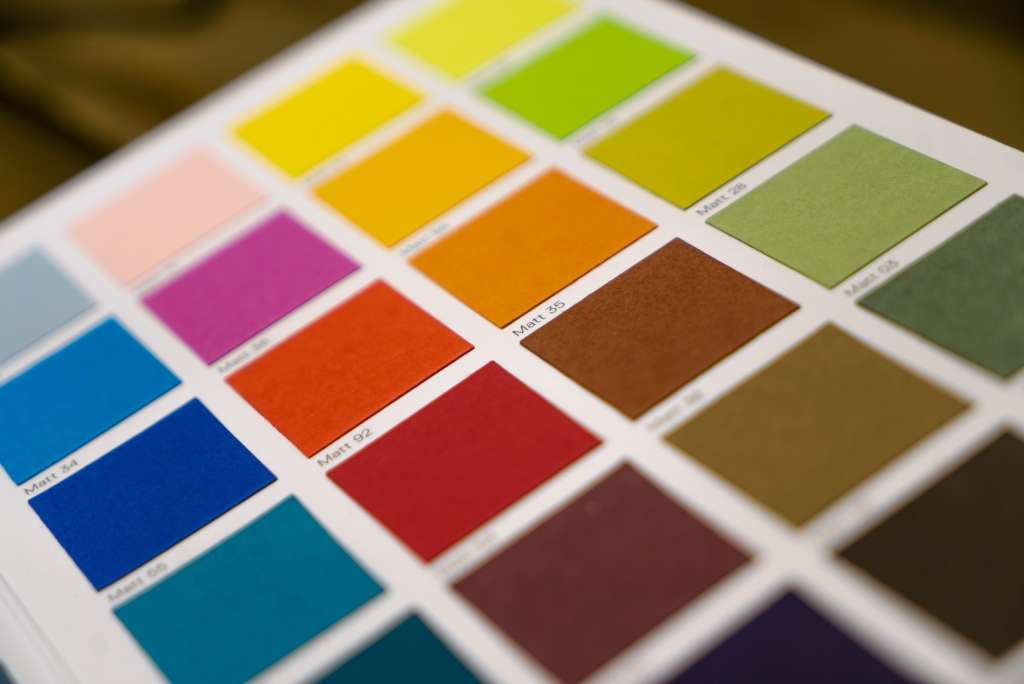
Before you look into painting your entire bedroom, consider obtaining sample swatches. Many paint retailers provide small tester pots that allow you to apply a few different colors directly to your walls. This hands-on testing lets you see how each shade interacts with the light and other elements in the room.
Virtual Visualization Tools
At many paint retailers and home improvement websites, you’ll find virtual visualization tools to see how different colors will look in your space. These tools can be a game-changer, especially if you have difficulty imagining a color on your walls.
Virtual visualization tools can provide a realistic preview of what different colors will look like in your bedroom. You can experiment with various shades and combinations by simply uploading a photo of your room or using a template. This process can save you time and costly mistakes, as you’ll have a clearer vision of how your chosen color will reflect your style and enhance your environment. Utilize these tools to narrow your options and feel confident in your choice.
The Role of Trends in Color Selection
Not every trend suits everyone, but awareness of color schemes can empower your decision-making process. Trends often reflect societal moods, making them a consideration when choosing the perfect shade for your bedroom. However, align trends with your style, ensuring your choice feels right for you in the long run.
Current Trends in Bedroom Colors
Colors dominating the current trend scene include serene blues, earthy greens, and warm neutrals. These hues create calming environments necessary for a restful bedroom and reflect a connection to nature. Incorporating these shades can help you foster tranquility and relaxation, essential to any retreat-like space.
Timeless vs. Trendy Choices
Trends can feel exciting, but classic colors may not stand the test of time like trendy choices. While trendy choices might offer a fresh look, opting for timeless shades ensures your bedroom remains stylish for years. Aim for a blend of both for a balanced approach.
Considering your options, it’s beneficial to reflect on how timeless colors like soft whites, grays, and muted earth tones create a foundation for your bedroom design, allowing for easy updates with trendy accents when desired. While timeless choices provide enduring appeal, trendy colors bring excitement and personality but may fade as preferences change. Striking a balance between the two can lead to a space that feels current and long-lasting, adapting to your evolving tastes without compromising comfort.
Maintenance and Longevity of Color Choices
Consider the maintenance required for your chosen color to ensure your bedroom maintains its appeal over time. Different hues may require varying levels of upkeep due to factors like sunlight exposure and room usage. Opting for colors that don’t fade easily and selecting high-quality paint can significantly enhance the longevity of your bedroom’s aesthetic.
Durability of Different Paint Finishes
Before choosing your paint, you should evaluate the durability of different finishes. Matte paints may provide a beautiful look but are prone to scuffs and stains, while satin and semi-gloss finishes are more resistant to wear and tear, making them ideal for high-traffic areas. The right choice can affect your bedroom’s appearance for years.
Effects of Fading Over Time
In addition to choosing the right color, it is essential to consider how fading can affect your walls over time. Exposure to sunlight and environmental factors can cause certain pigments to lose their vibrancy, altering the entire feel of your space. To maintain your bedroom’s freshness, consider using UV-resistant paint or window treatments to shield your walls from damaging rays.
The rate at which colors fade largely depends on their pigmentation and the level of sunlight they receive. For instance, deep colors may show fading less significantly than lighter shades, yet they can still dull over months or years. Investing in high-quality paint that includes UV protectants can reduce fading and preserve the integrity of your color choice. Additionally, routine maintenance, like washing the walls, can help mitigate environmental wear’s impacts, ensuring your bedroom remains inviting and comfortable.
Now that you’ve explored the various shades and their psychological impacts, you can make a more informed decision about the ideal color for your bedroom. Consider your preferences, the mood you wish to create, and how the color interacts with your space’s natural light. Whether you opt for calming blues, energizing yellows, or bold hues, the right choice will enhance your sanctuary, making it a restful retreat that reflects your style and promotes relaxation.
Choosing the perfect color for your bedroom goes beyond aesthetics; it creates a space that reflects your personality while promoting relaxation and comfort. Finding the right balance can feel overwhelming, but with the expertise of 3S Painting, you don’t have to make the decision alone.
Our team specializes in identifying the hues that suit your style and needs, delivering flawless results. Trust us to turn your bedroom into a serene, personalized retreat with our unmatched precision and service!
FAQ
Q: What factors should I consider when choosing a color for my bedroom?
A: When dicking out a color for your bedroom, consider the atmosphere you want to create. Warm colors like reds and oranges may evoke energy, while cooler hues like blues and greens can promote relaxation and calmness. Additionally, evaluate the room’s size and lighting; lighter shades can make a small space feel larger and more open, while darker tones can add coziness. Also, remember your furniture and décor styles to ensure harmony throughout the space.
Q: Are there specific colors that promote better sleep quality in a bedroom?
A: Yes, specific colors are known to enhance sleep quality. Soft blues, greens, and grays are often recommended as they provide a tranquil environment conducive to rest. These shades create a serene vibe, helping reduce stress and anxiety. Bright or overly stimulating colors may be invigorating during the day, but they can disrupt the calming atmosphere needed at night, so it’s best to stick with softer, muted tones.
Q: How can I incorporate different colors into my bedroom design without overwhelming the space?
A: To effectively integrate multiple colors into your bedroom without creating a chaotic look, consider using a primary color for the walls and selecting accent colors for accessories like bedding, curtains, and artwork. A common approach is using the 60-30-10 rule: 60% of the room should be the primary color, 30% a secondary shade, and 10% an accent color. This balance helps maintain visual harmony while allowing for personal expression through color.

James Schrienk, a resident of Columbus, OH, is the proud owner of 3S Painting. With a wealth of experience in managing businesses of various scales, his expertise lies in project and people management. Jim thrives in team environments, always focusing on labor efficiency and delivering high-quality client results. His leadership style and practical communication skills have made him an exceptional manager and a driving force behind the success of 3S Painting. When he’s not leading his team to excellence, Jim enjoys continuously exploring innovative strategies to improve customer satisfaction.