The Essential Guide to Choosing the Perfect Interior Paint Finish for Your Home
Painting the interior of your home is an exciting way to refresh your space, but picking the perfect paint color is only the first step. Just as crucial, though often overlooked, is selecting the right paint finish, sometimes referred to as sheen or luster. The finish you choose can dramatically affect not only the appearance of your walls, ceilings, and trim, but also how well your paint stands up to everyday life and cleaning.
Every surface in your home has its demands, and understanding the differences between paint finishes will help you achieve the look and durability you want. For example, high-traffic areas like hallways or kitchens will benefit from a more durable, washable finish. At the same time, ceilings and low-traffic rooms might call for something softer and more forgiving.
In this blog, we’ll break down the most common types of interior paint finishes, ranging from flat and matte to eggshell, satin, semi-gloss, and high-gloss. We’ll explain the unique qualities of each finish, such as how much light they reflect, how easy they are to clean, and where they work best in your home. You’ll also find practical advice on which finishes are ideal for specific surfaces. Flat paint is often the go-to for ceilings, semi-gloss and gloss are favorites for trim and doors, and walls usually look best with a subtle eggshell or satin sheen.
By the end of this guide, you’ll feel confident choosing the right paint finish for every room and surface, ensuring your next painting project looks beautiful and lasts for years to come. Whether aiming for a cozy, understated vibe or a bold, high-impact statement, the right finish makes all the difference. Let’s dive into paint finishes and discover how to shine your home.
Ceilings: Matte or Flat Finish
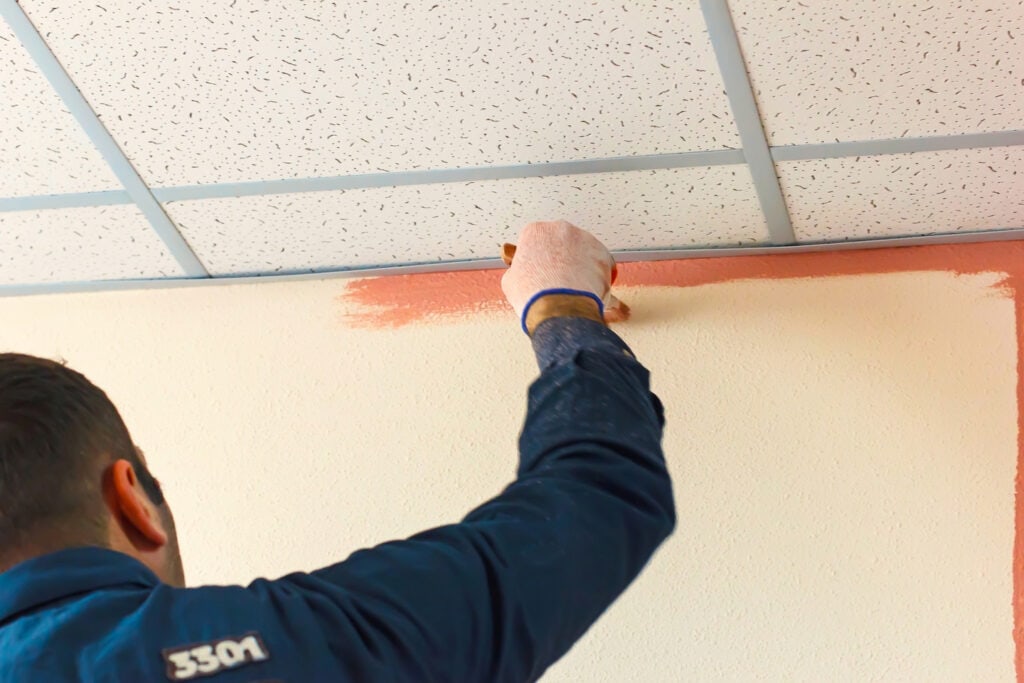
Matte or flat finishes are almost always the way to go when painting ceilings. Why? Ceilings tend to have their fair share of little imperfections—think cracks, patches, or uneven spots—and a matte or flat finish does a fantastic job of hiding those. Since these finishes don’t shine, they create a nice, even look that helps those flaws fade into the background.
Another bonus: your ceiling won’t draw attention to itself because matte and flat paints don’t reflect light. Instead, they help the room feel cozier and more inviting, almost like the ceiling gently hugs the space. So, if you want your ceiling to look smooth and help set a comfortable mood, a matte or flat finish is your best bet.
Trim: Semi-Gloss or Gloss Finish
When painting trim-like baseboards, crown molding, and window casings, a semi-gloss or gloss finish shines literally and figuratively. These finishes are a popular choice for trim because they’re easy to wipe clean and stand up well to scuffs, bumps, and even a little moisture. That means your trim will keep looking fresh and polished, even in busy areas of your home.
Plus, the subtle shine of semi-gloss or the bold gleam of gloss creates a beautiful contrast against walls with a more muted finish. This helps highlight the architectural details of your trim, giving your space a crisp, finished look. So, if you want your trim to pop and look great with minimal effort, semi-gloss or gloss is the way to go.
Walls: Eggshell, Satin, or Semi-Gloss Finish
Why? The choice of finish for walls depends on the room’s function and your aesthetic preferences.
Eggshell Finish: This finish strikes a balance between matte and satin. It has a subtle sheen and is relatively easy to clean, making it suitable for most living areas, such as bedrooms, living rooms, and hallways.
Satin Finish: Slightly glossier than eggshell, satin finishes offer improved durability and are more resistant to stains. They work well in spaces with higher traffic, like kitchens and bathrooms.
Semi-Gloss Finish: This is the most durable and easiest-to-clean finish for walls. It’s ideal for high-moisture areas such as bathrooms or kitchens and is often used in children’s rooms due to its washability.
Additional Considerations:
Lighting: The type and amount of lighting in a room can affect how paint finishes appear. Glossier finishes may enhance natural light, while matte finishes can minimize glare.
Texture: Smooth walls and ceilings can accommodate a broader range of finishes, while textured surfaces may require flatter finishes to avoid emphasizing imperfections.
Maintenance: Consider how easy it is to clean and maintain the finish. Higher-gloss finishes tend to be more washable and resistant to wear and tear.
Aesthetics: Ultimately, the choice of finish also comes down to personal preference and the desired look and feel of the room. Experiment with paint samples in different finishes to see what works best for your space.
Choosing the right interior paint finish for your ceilings, trim, and walls can significantly impact your living spaces’ overall aesthetics and functionality. While matte and flat finishes are ideal for ceilings, semi-gloss or gloss finishes are best for trim due to their durability and ease of cleaning. The choice between eggshell, satin, and semi-gloss for walls depends on factors such as room function, lighting, and personal preference. By carefully considering the unique demands of each surface and understanding the characteristics of different finishes, you can achieve a professional and visually pleasing result in your interior painting project.
Are you ready to freshen up a room in your home with fresh paint, but unsure where to start? Contact us today for a free estimate!
Frequently Asked Questions
What is the best paint finish for ceilings?
Ceilings are best painted with a matte or flat finish because these finishes have no shine, help hide surface imperfections, and create a smooth, uniform appearance. Matte finishes also do not reflect light, making the ceiling appear lower and cozier.
Which paint finish is recommended for trim and baseboards?
Trim, including baseboards, crown molding, and window casings, should be painted with a semi-gloss or gloss finish. These finishes are easy to clean, more resistant to scuffs and moisture, and provide a durable, polished look highlighting architectural details.
What paint finish should I use for interior walls?
The best paint finish for interior walls depends on the room’s function. Eggshell offers a subtle sheen and easy cleaning for living areas; satin provides more durability for higher-traffic spaces like kitchens and bathrooms; semi-gloss is the most durable and washable, ideal for high-moisture or children’s rooms.
How does lighting affect the appearance of paint finishes?
Lighting significantly impacts how paint finishes appear. Glossier finishes can enhance natural light and make spaces feel brighter, while matte finishes minimize glare and absorb light, creating a cozier atmosphere.
What factors should I consider when choosing a paint finish?
When choosing a paint finish, consider the room’s function, lighting, surface texture, maintenance ease, and personal aesthetic preferences. Higher-gloss finishes are more washable and durable, while matte finishes are better for hiding imperfections and creating a softer look.

James Schrienk, a resident of Columbus, OH, is the proud owner of 3S Painting. With a wealth of experience in managing businesses of various scales, his expertise lies in project and people management. Jim thrives in team environments, always focusing on labor efficiency and delivering high-quality client results. His leadership style and practical communication skills have made him an exceptional manager and a driving force behind the success of 3S Painting. When he’s not leading his team to excellence, Jim enjoys continuously exploring innovative strategies to improve customer satisfaction.