When it comes to preserving the beauty and integrity of your home, paint is much more than just a color choice—it’s a vital barrier against the elements. Skilled painters with years of experience under their brushes know that long-lasting home paint protection is much more than just applying a fresh coat. It’s a careful balance of proper surface preparation, choosing the right products, and maintaining your investment over time. In this comprehensive guide, we’ll explore the secrets expert painters use to ensure that a home’s paint job remains pristine and protective for years.
The Foundation of Protection: Understanding the Importance of Preparation
A durable paint job begins long before the first stroke of the brush. Proper preparation is the cornerstone of effective paint protection. Without it, even the highest quality paints and coatings can fail to deliver the longevity homeowners expect.
Assessing and Repairing Surface Damage
Before any paint touches your walls, it’s crucial to thoroughly assess your home’s surfaces. Skilled painters start by identifying any cracks, peeling paint, or water damage that might compromise the integrity of the new coat. Repairing these issues is essential. Whether patching up small cracks or replacing damaged siding, these repairs prevent moisture from seeping in and causing further deterioration. Professional painters often recommend using high-quality fillers and sealants to restore the surface to a smooth, even state.
The Role of Cleaning and Degreasing
Another critical step is cleaning the surfaces thoroughly. Dirt, grease, and old paint residues can all interfere with the new coat’s adhesion. Pressure washing is a popular technique among professional painters, especially for exterior surfaces. This method effectively removes contaminants and prepares the surface for better paint adhesion. Combining mild detergents and degreasers can achieve a clean slate for indoor projects.
Priming: The Unsung Hero of Longevity
Priming is the next essential step after repairing and cleaning the surface. A high-quality primer ensures better adhesion for the topcoat and provides an additional layer of protection against moisture and UV rays. Primers are particularly important for porous surfaces or damaged areas. Expert painters select primers specifically designed for the type of surface they work on, whether wood, stucco, or metal, to maximize longevity.
Choosing the Right Materials: Quality Paints and Coatings
Once the preparation is complete, the choice of paint and coatings becomes the next critical factor in ensuring long-lasting protection. Not all paints are created equal, and understanding the differences can help you make a more informed decision about your home’s paint job. As a homeowner, your choice of materials plays a significant role in the longevity of your paint job.
The Benefits of High-Quality Paint
High-quality paints are formulated to withstand the rigors of weather and daily wear. They offer better coverage, resist fading, and enhance durability compared to their lower-quality counterparts. Expert painters often advise homeowners to invest in premium paint products—even though they may come with a higher initial cost—because they deliver better performance in the long run. These paints often contain advanced polymers and additives that improve elasticity and resistance to cracking.
Specialty Coatings for Extreme Conditions
Specialty coatings can offer additional protection in regions with particularly harsh weather conditions. For instance, elastomeric coatings are designed to expand and contract with temperature fluctuations, reducing the likelihood of cracks. These coatings are especially beneficial for exterior surfaces exposed to significant temperature variations. Additionally, for areas prone to high humidity or salty air, such as coastal regions, painters may recommend anti-corrosive or mildew-resistant paints to prevent degradation and maintain a fresh appearance.
Environmental Considerations: Low-VOC and Eco-Friendly Options
Sustainability is increasingly important in today’s painting projects. Modern, high-quality paints come in low-VOC (volatile organic compounds) or zero-VOC formulations. These formulations are better for home occupants and the environment. They have improved significantly, offering the same durability and color vibrancy as traditional paints with harmful emissions. Skilled painters often discuss these options with homeowners, balancing performance with environmental responsibility. By choosing these eco-friendly options, homeowners can contribute to healthier indoor air quality and reduce their environmental footprint.
Application Techniques: The Art of a Durable Finish
The way paint is applied to a surface can significantly impact its longevity. Skilled painters employ various techniques that enhance the paint job’s durability and ensure an even, attractive finish.
The Importance of Proper Application
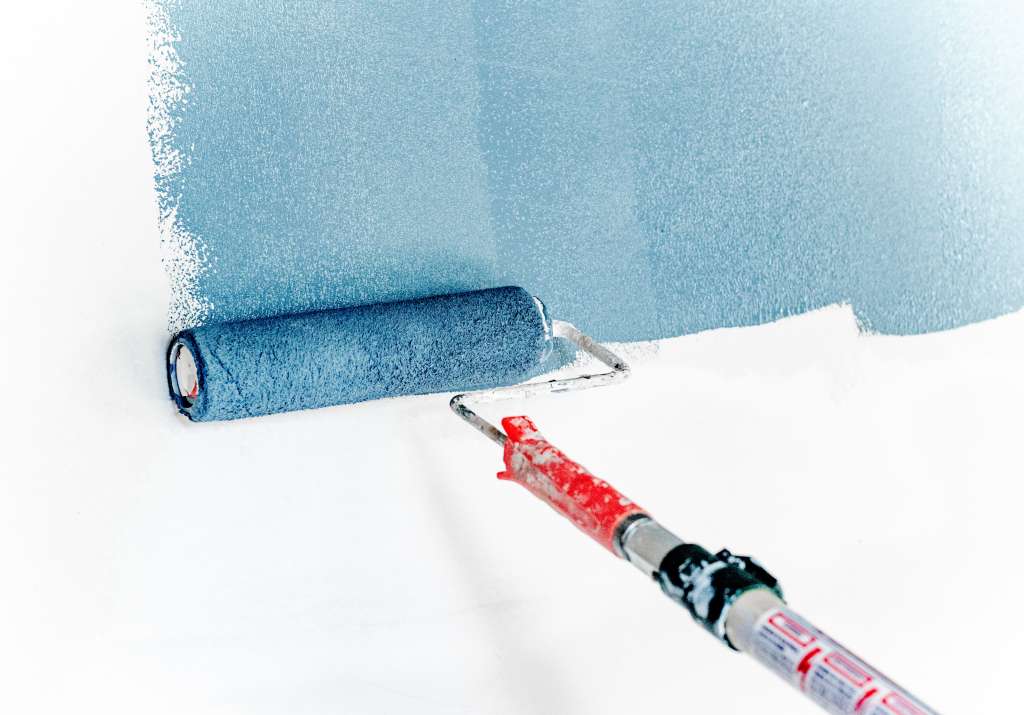
Even the best quality paint can fail if it is not applied correctly. Professional painters understand the importance of applying paint in thin, even coats rather than a single thick layer. This approach prevents runs and drips and ensures each layer dries properly, creating a more resilient finish. Multiple thin layers build up a robust protective barrier that meets the challenges of time and weather.
Techniques to Avoid Common Pitfalls
One common issue in DIY painting projects is uneven application, leading to premature peeling and fading. Skilled painters use techniques such as back-brushing—where a brush is lightly run over the wet paint—to even out potential irregularities and ensure uniform coverage. Additionally, they understand the optimal drying times between coats, which is crucial for the outcome. Rushing this process can trap moisture within the layers, compromising the durability of the finish.
Tools of the Trade: Brushes, Rollers, and Sprayers
The tools used in the application process also significantly affect the quality of the finished work. High-quality brushes and rollers are essential for achieving a smooth, even finish. Sprayers can provide a more consistent coat for larger surfaces or more complex jobs in a shorter period. Professional painters invest in the best tools available and are trained in their proper use, contributing to the paint job’s longevity.
Maintenance: Extending the Life of Your Paint
Even the most expertly applied paint will eventually need some TLC. Regular maintenance is key to ensuring that your home’s paint protection remains effective. Skilled painters emphasize the importance of periodic inspections and minor touch-ups to keep your property looking its best.
Routine Inspections and Cleaning
One of the simplest ways to extend the life of your paint job is to schedule regular inspections. Homeowners should look for early signs of wear, such as peeling or chipping, and address them promptly. Routine cleaning, whether washing the exterior of your home or wiping down interior walls, can also prevent the buildup of dirt and grime that can degrade the paint over time. Pressure washing is an excellent method for cleaning exterior surfaces, as it removes contaminants without damaging the underlying paint.
Touch-Ups: When and How to Do Them
No paint job is completely immune to the effects of time and weather. Skilled painters often recommend addressing small areas of damage before they appear rather than waiting for them to expand. Touch-ups are typically much less expensive and time-consuming than a full repaint. When doing touch-ups, using the same paint and techniques as the original application to ensure a seamless blend is important. Professional painters have the expertise to match the color and texture perfectly, so it’s best to consult them if you’re unsure.
Long-Term Protection Strategies
Some homeowners opt for additional protective measures in addition to routine maintenance. For example, a clear topcoat can protect against UV rays, moisture, and general wear. This is particularly useful in areas with harsh weather conditions. Skilled painters can advise on the best products for your specific situation, ensuring that your home’s paint protection lasts as long as possible.
DIY vs. Professional Painting: Making the Right Choice
While DIY painting projects can be tempting because they offer savings, there are significant benefits to hiring skilled professionals for long-lasting paint protection. Understanding the pros and cons of each approach can help you make an informed decision.
The Case for Professional Expertise
Professional painters bring experience, knowledge, and high-quality tools to the table. They understand the intricacies of surface preparation, paint selection, and application techniques that the average homeowner might overlook. By hiring professionals, you ensure that the job is done correctly the first time, which can save you money in the long run by reducing the need for frequent touch-ups or premature repainting. Additionally, professionals often offer warranties on their work, providing you with peace of mind that your investment is protected.
When DIY Might Work
That said, some homeowners may feel confident enough to tackle small projects independently, especially if they have a keen eye for detail and are willing to invest the time required for proper preparation and application. A DIY approach might be sufficient for minor touch-ups or small areas. However, it’s important to recognize the limitations of your skills and the potential risks. A poorly executed DIY project can lead to issues like uneven coverage, premature peeling, and even more costly repairs down the line.
Balancing Cost and Quality
Ultimately, deciding between DIY and professional painting comes down to balancing cost and quality. While DIY projects might offer short-term savings, the long-term benefits of a professionally applied and maintained paint job often outweigh the initial expense. Professional painters invest in durability and peace of mind when considering the overall investment in your home’s appearance and protection.
Long-lasting home paint protection is not a matter of chance; it results from meticulous preparation, high-quality materials, expert application techniques, and ongoing maintenance. Skilled painters know that every step—from assessing and repairing surfaces to choosing the right products and applying them with precision—plays a critical role in the durability of a paint job.
By understanding these secrets and investing in professional painting services, homeowners can protect their investments and enhance the aesthetic appeal of their homes for years to come. Whether you’re planning a complete makeover or just looking to refresh your current paint job, the expertise of professional painters ensures that your home looks great and is well protected against the elements.
Ultimately, a well-maintained paint job is a testament to the care and attention given to your home. It’s a visible expression of pride in your property and a shield that guards against nature’s wear and tear. So, consider the advice of skilled painters, invest in quality materials and expert services, and enjoy the long-lasting benefits of a beautifully protected home.
FAQ
What’s the single most overlooked step that determines whether your home’s paint will last a decade or peel in a year?
Surface preparation is the unsung hero of paint longevity. Skilled painters insist that cleaning, sanding, and priming the surface before painting is non-negotiable. Skipping this step leads to peeling, flaking, and chipping, no matter how expensive your paint is. A well-prepared surface ensures the paint adheres properly and stands up to the elements for years to come.
Can the color you choose actually affect how long your paint job lasts?
Absolutely! Lighter colors tend to reflect sunlight and heat, which helps them resist fading and degradation, especially on exteriors. Darker shades absorb more UV rays, causing them to fade and deteriorate faster. So, your color choice isn’t just about style—it’s a strategic decision for longevity.
Are there “secret weapons” professional painters use to make paint last longer that most homeowners don’t know about?
Yes—high-performance coatings and elastomeric paints are two such “secret weapons.” These advanced products form flexible, protective barriers that resist UV rays, moisture, and physical abrasion. Elastomeric paints, in particular, stretch with your home’s natural expansion and contraction, preventing cracks and maintaining a seamless finish.
How does the local climate secretly sabotage your paint, and what do pros do differently in harsh environments?
Climate is a silent saboteur. Humidity, temperature swings, and intense sunlight can all shorten a paint job’s lifespan. Skilled painters select paints and primers specifically formulated for local conditions—like UV-resistant paints in sunny areas or moisture-blocking primers in humid climates. They also time their work to avoid painting in extreme weather, ensuring optimal curing and adhesion.
What’s the most creative maintenance tip from the pros to keep your paint looking fresh year after year?
Regular, gentle cleaning is a painter’s secret for long-lasting beauty. Using mild detergent and soft cloths to remove dirt, mildew, and pollutants prevents buildup that can degrade paint. Promptly repairing chips and scratches, trimming overhanging vegetation, and scheduling periodic touch-ups are creative ways to extend the life and vibrancy of your paint—turning maintenance into a form of art.

James Schrienk, a resident of Columbus, OH, is the proud owner of 3S Painting. With a wealth of experience in managing businesses of various scales, his expertise lies in project and people management. Jim thrives in team environments, always focusing on labor efficiency and delivering high-quality client results. His leadership style and practical communication skills have made him an exceptional manager and a driving force behind the success of 3S Painting. When he’s not leading his team to excellence, Jim enjoys continuously exploring innovative strategies to improve customer satisfaction.