Paint Or Flooring First? The Best Order For Home Updates
Key takeaways
-
Painting first typically prevents drips, splatter, and scuffs from ruining brand-new floors or carpet.
-
Flooring first can be smarter when installation is likely to bump walls, damage trim, or create dust that would ruin a fresh paint finish.
-
The best decision depends on the flooring type, room traffic, timeline, and how much work is happening at once.
What to consider before choosing the order
A smooth renovation starts with planning. Before deciding, consider these common factors:
-
Project timeline (how soon each step must be completed).
-
Paint type and finish (some finishes are tougher, some need longer to fully cure).
-
Existing surface condition (repairs, stains, or patching may affect timing).
-
Budget and material waste (touch-ups and rework add cost).
-
Room usage (high-traffic areas need extra protection and durable finishes).
Flooring choice and color coordination
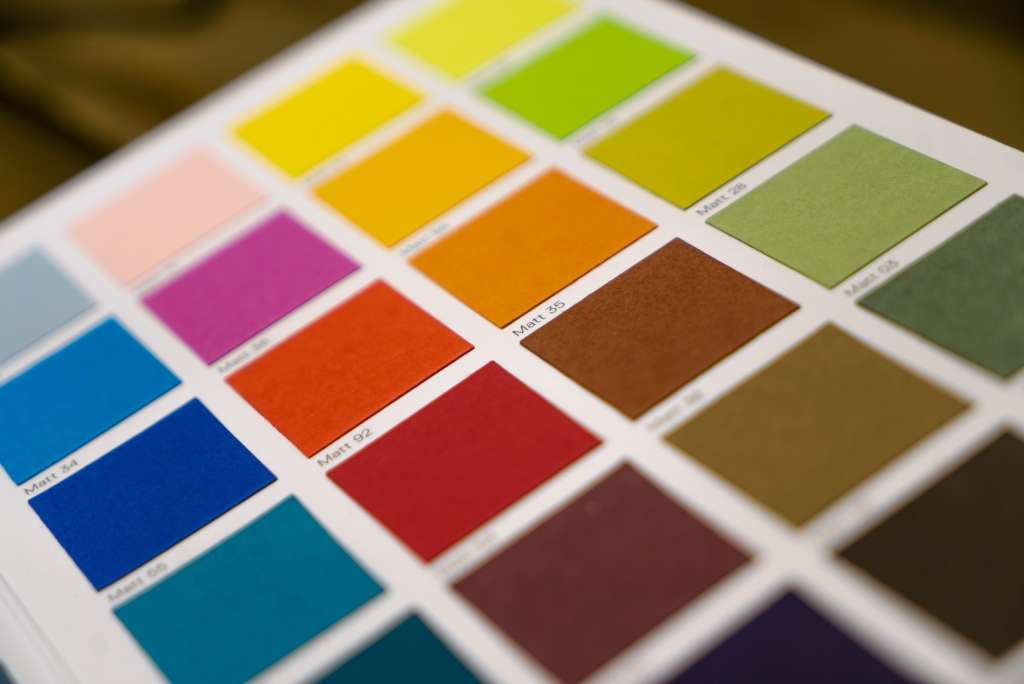
Wall color and flooring should be chosen together whenever possible. Flooring undertones can shift how paint looks in the room, and paint can change how “warm” or “cool” the floor appears once everything is finished. Neutral wall colors are often the easiest match across many floor styles, while bold paint can look best when planned around the flooring’s pattern and tone.
Room traffic and durability needs
Spaces like hallways, living rooms, and entryways take more abuse than bedrooms or guest rooms. In busy areas, washable wall paint and durable flooring help preserve the finished look longer. Low-traffic rooms offer more flexibility for delicate finishes or lighter materials that might not hold up as well in daily-use zones.
Benefits of painting before flooring
Painting first is often the most practical choice because it reduces the chance of damaging the final floor surface. It also makes the painting phase faster and less stressful.
Better access and faster work
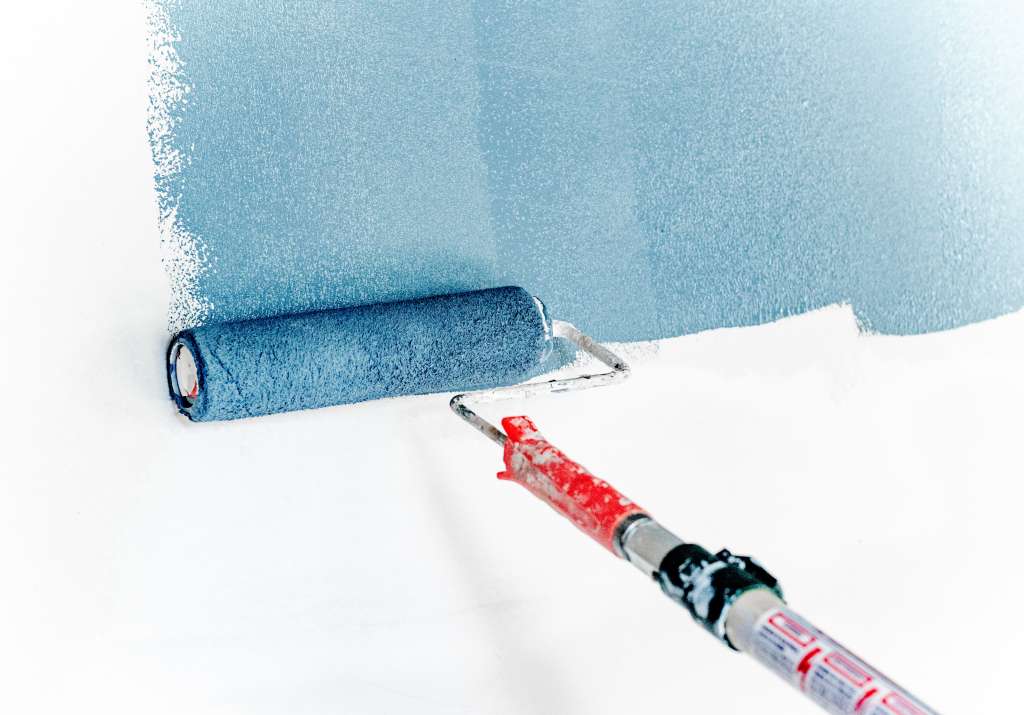
With floors not yet installed (or with old floors removed), there’s more room to move ladders, tools, and materials. Cutting in along the base of walls is simpler, and there’s less time spent masking and worrying about perfect floor protection.
Protects the new floor investment
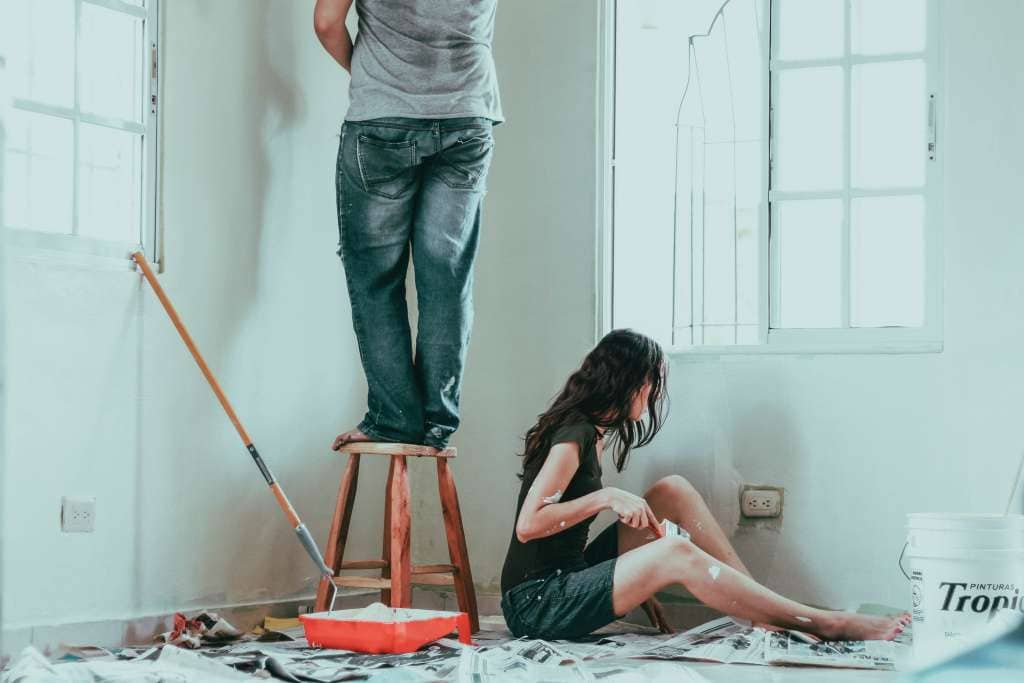
Painting can involve spills, roller splatter, and accidental scuffs—especially during prep and cleanup. Completing paint work first helps keep the new floor spotless and reduces the chance of permanent marks or costly repairs.
Benefits of flooring before painting
While paint-first is common, flooring-first can be the better call in certain situations—especially when the floor install is messy or aggressive.
More accurate wall color decisions
Once the new flooring is down, it’s easier to choose a wall color that truly complements it. This can prevent “surprise” undertones and help the room feel more intentional and cohesive.
Less chance of wall damage during installation
Some flooring installations involve heavy boxes, large planks, tools, and a lot of movement near walls and trim. If walls are freshly painted, scuffs and chips can happen and lead to immediate touch-ups. Installing flooring first can reduce that risk.
Timing and scheduling tips
If multiple rooms are being updated, sequencing matters as much as the work itself. Align paint drying time with flooring delivery/installation dates to avoid downtime, and avoid stacking tasks that cause dust right after painting.
Simple planning checklist
-
Confirm flooring lead time and acclimation needs (common with many hard-surface floors).
-
Schedule wall repairs and priming early (they often take longer than expected).
-
Leave buffer time for paint curing before trim work and reinstalling furniture.
DIY vs hiring pros
DIY can reduce labor cost, but it increases the chance of mistakes like poor prep, uneven coverage, or rushed drying times. Hiring professionals can speed up the timeline, improve finish quality, and reduce risk—especially when painting and flooring must be coordinated tightly.
Cost considerations
Painting before flooring can lower the amount of floor protection needed during painting and may reduce cleanup and touch-up costs. Painting after flooring may require more masking, heavier protection, and extra labor time to keep the new surface safe.
Common mistakes to avoid
-
Skipping surface prep: paint won’t hide dents, nail pops, or stains without proper repair and priming.
-
Under-protecting surfaces: even careful painters can drip or scuff during prep and ladder movement.
-
Misjudging drying/curing time: installing flooring or moving items too soon can mark paint or create permanent flaws.
Final thoughts
For most home updates, painting first is the cleaner, safer order—then flooring, then trim touch-ups for a polished final look. If the flooring install is likely to damage walls or generate heavy dust, flooring first can be a smarter strategy, followed by careful painting and finishing work.
FAQ
1) Is it better to paint walls before laying new flooring or carpet?
In most remodels, painting first is the safer sequence because it reduces the chance of drips, splatter, or ladder scuffs ruining a brand-new floor. If painting must happen later, use heavy-duty floor protection and plan for touch-ups around edges.
2) When should flooring be installed before painting?
Flooring first can be the better choice when the installation process is likely to mark up walls or trim (materials sliding, tools bumping baseboards) or when the job creates dust that could settle into fresh paint. This approach also helps if wall color depends on seeing the final flooring tone in the space.
3) Can painting and flooring be scheduled back-to-back in the same week?
Yes, but leave adequate drying/curing time for paint before installers arrive and avoid overlapping crews in the same room. A tight schedule works best when each step is completed and protected before the next trade starts.
4) What order gives the cleanest “finished” look?
A reliable sequence is: repair and prep surfaces, paint ceilings, paint walls, install flooring, then install/finish baseboards or shoe molding and complete final caulk and touch-ups. This order helps keep edges crisp and reduces the need to redo work.
5) What if I’m only replacing carpet (not hard flooring)?
Painting first is still usually easier because cutting-in, rolling, and moving ladders is less stressful without worrying about stains on new carpet. If the carpet goes in first, cover it fully and keep a clean path for tools and paint supplies.
Deciding whether to paint before or after installing new flooring or carpet significantly impacts the final outcome of your home improvement project. Painting beforehand protects your flooring investment, while proper planning ensures efficiency and stunning results. At 3S Painting, we specialize in delivering flawless finishes tailored to your timeline and needs. Whether you’re starting fresh or renovating, our team provides expert guidance to simplify the process. Trust us to bring your vision to life with precision and care!

James Schrienk, a resident of Columbus, OH, is the proud owner of 3S Painting. With a wealth of experience in managing businesses of various scales, his expertise lies in project and people management. Jim thrives in team environments, always focusing on labor efficiency and delivering high-quality client results. His leadership style and practical communication skills have made him an exceptional manager and a driving force behind the success of 3S Painting. When he’s not leading his team to excellence, Jim enjoys continuously exploring innovative strategies to improve customer satisfaction.