In Columbus, the “right” month to paint inside isn’t just about convenience—it affects drying, finish quality, and your project schedule. Knowing the best season can help you feel more confident and reassured about your decision. Here’s a practical, season-by-season guide (with local context) to help you pick the smartest window for your home and calendar.
If you want a quick plan for your rooms and timing, our interior painting team can review your lighting, humidity, and schedule to propose the best month, along with a prep and color plan. We understand your busy schedule and aim to make the process smooth and stress-free.
The Short Answer (For Planners)
- Late fall through early spring (November–April) is often the best time to schedule interior painting in Columbus. For small touch-ups or single rooms, this window offers better availability and smoother timelines. Larger projects, such as whole-home updates, may require more planning to ensure timely completion.
- Summer works beautifully for fast drying—but busy calendars, travel, and higher humidity spurts can complicate things.
- Peak holidays fill fast; aim to book 3–6 weeks ahead if you want fresh walls before hosting.
Why Timing Affects Results
Temperature & humidity: Interior paint levels out and cures best in a stable range—think cozy, climate-controlled rooms. Columbus’s variable weather, from cold winters to humid summers, can influence drying times. Your HVAC system is your friend in maintaining consistent conditions for optimal results.
Ventilation & odor control: Shoulder seasons let you crack windows gently; winter needs smarter airflow with fans and filters.
Daylight: Short winter days mean earlier cutoffs for natural-light color checks; summer gives longer windows to preview color shifts.
Scheduling: Exterior crews move indoors from late fall to spring, freeing up talented teams for interior detail work.
Season-by-Season: Columbus Pros & Cons
Winter (December–February): Quiet House, Calm Air
Why it can be great:
- HVAC keeps temperature steady and humidity lower—excellent for even drying.
- Fewer social commitments after the new year make room sequencing easier.
- Potentially more flexible scheduling for walls-only refreshes or multi-room projects.
Watch-outs:
- For short daylight windows, do a color sign-off by midday when possible.
- Entry slush and salt—use mats at doors and plan a tidy staging zone.
Pro tip: Plan a room order (office first for remote work, bedrooms by bedtime). We’ll manage airflow so rooms stay comfortable while the paint cures.
Early Spring (March–April): Fresh Start, Still Stable Indoors
Why it can be great:
- Temperatures are moderate; indoor humidity stays manageable.
- Perfect time for color updates that feel bright after gray months.
Watch-outs:
- Spring cleaning piles can slow down access to rooms. Box décor a week ahead so masking goes faster.
Pro tip: If you’re doing ceilings + walls, this is a sweet spot before graduation/holiday hosting season kicks in.
Late Spring–Summer (May–August): Fast Drying, Busy Calendars
Why it can be great:
- Longer days = more natural light for color approval.
- Warm temperatures speed dry-to-touch and recoat times.
Watch-outs:
- On higher-humidity days, curing can slow, and minor lap marks may appear if rushed—your crew will pace coats appropriately.
- Family travel, camps, and guests complicate room sequencing.
Pro tip: If you’re moving in or out, summer is ideal for vacant-home repaints—fast, tidy, and efficient.
Fall (September–November): Back-to-School, Smooth Schedules
Why it can be great:
- Predictable routines and mild weather help projects run on rails.
- Great time to prep for the holidays without last-minute rush fees.
Watch-outs:
- October and early November book quickly for pre-Thanksgiving makeovers.
Pro tip: If trim or doors need love, add them now—cooler, drier air helps semi-gloss lay down crisp and cure well.
The “Goldilocks” Conditions Inside Your Home
Aim for:
- Temperature: roughly 65–75°F indoors
- Humidity: 40–55% for comfortable, consistent drying
- Airflow: gentle, targeted ventilation (not blasting cold air across fresh coats)
Your thermostat, a simple humidity reader, and a fan with a filter pad are an easy win. We’ll handle the rest—product selection, coat timing, and room order.
What to Paint When (By Space & Season)
- Bedrooms & nurseries: Winter or early spring for low pollen and calm schedules; finish earlier in the day so rooms are ready by bedtime.
- Kitchens & baths: Late winter/early spring—ventilation is manageable, and you’ll feel a big boost in cleanliness ahead of the hosting season.
- Stairwells & entries: Fall—traffic patterns are predictable, and drying is steady.
- Home offices: Anytime, but prioritize natural-light hours for color sign-off on camera-facing walls.
Hosting, Holidays, and Real-Life Scheduling
- Before big events: Book 3–6 weeks out for multi-room projects (more for whole-home).
- Work-from-home: We can start with your office at 8 am and hand it back by afternoon; then rotate to living spaces.
- Kids & pets: Create a simple “no-go path,” and we’ll barrier off drying trim and doors.
Cost & Availability: Does Timing Change Price?
Sometimes. Winter and early spring can offer more scheduling options and bundle efficiencies (especially if you combine walls + ceilings). Summer demand and pre-holiday rushes can tighten calendars. Either way, scope drives price more than the month: walls only vs. full package, repairs, number of colors, and height/access.
Curious where your project might land? The interior painting page outlines service details, and we’ll provide a clear, line-item proposal after a quick walk-through.
Color & Finish Choices That Help Year-Round
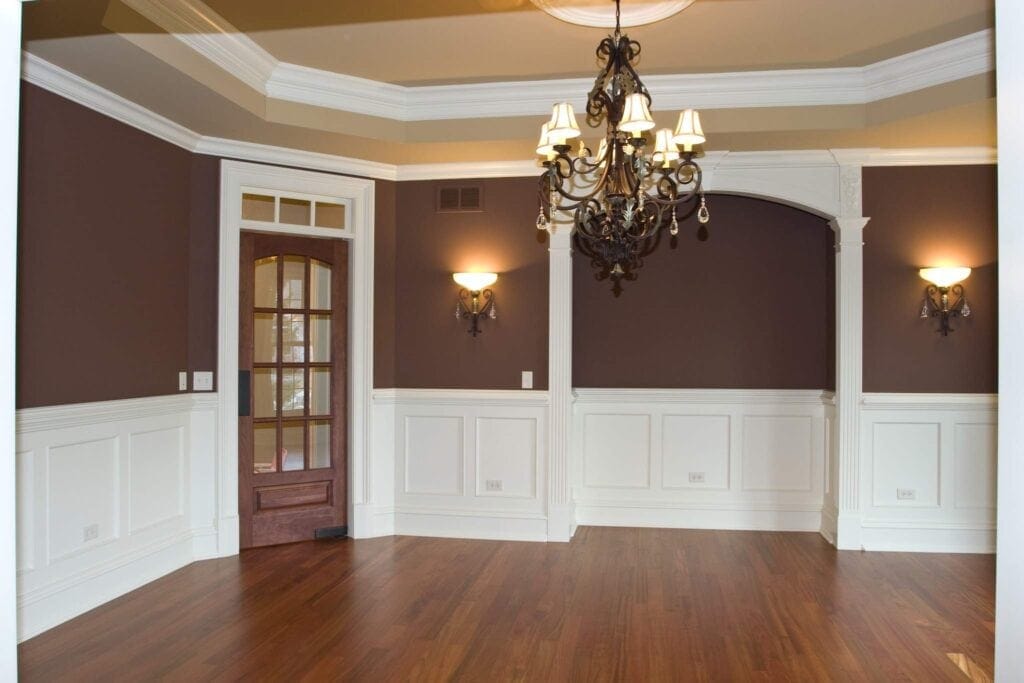
- Warm off-white or balanced greige: stays bright on gray Columbus days without looking stark in July sun.
- Satin on built-ins, eggshell on walls, semi-gloss on trim: durable and light-friendly.
- One color per floor (with a broader accent in key rooms): speeds project flow and keeps things cohesive across changing light.
A One-Week Timeline That Works in Any Season
- Day 1: Room protection, repairs, caulk, and prime where needed
- Day 2–3: First and second coats on walls
- Day 4: Ceilings or trim (if included)
- Day 5: Doors/built-ins, detail cuts
- Day 6: Touch-ups, plate rehang, cleanup
- Day 7: Enjoy—then rehang art after 48–72 hours
(Whole-home or high-detail projects scale up, but the rhythm is similar.)
Quick Prep Checklist (Speeds Every Project)
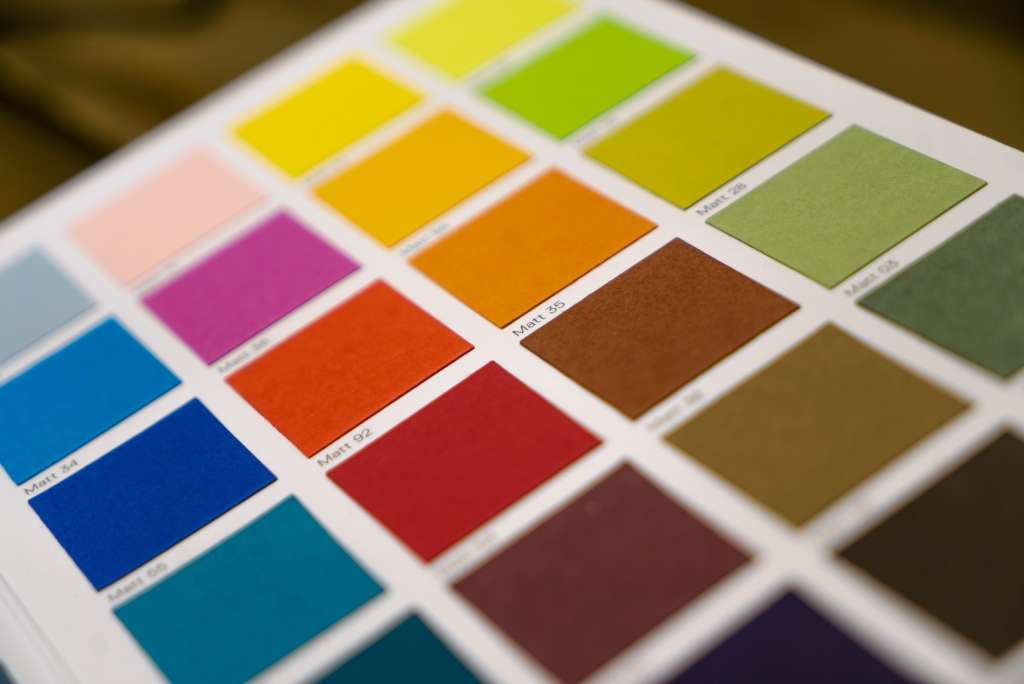
- Confirm colors/finishes per room and label the cans or sample boards
- Pull small décor; slide furniture to the center
- Remove wall hangings and bag hardware by room
- Set the thermostat and check the humidity reading
- Share must-use rooms by time of day (office mornings, nursery nights)
If you want, we’ll include more prep help in your scope so you don’t lift a finger.
FAQs
1) Is winter really okay for interior painting in Columbus?
Yes. With the thermostat set and smart airflow, winter is often ideal—steady temps, manageable humidity, and flexible schedules.
2) What if humidity spikes in summer?
We pace coats, adjust ventilation, and choose products that level well. A dehumidifier or AC helps keep cure times on track.
3) Will paint smell linger if windows stay shut in winter?
We use targeted ventilation and low-odor products. Light airflow plus door sweeps keep rooms comfortable while paint cures.
4) How far in advance should I book?
For multi-room projects, aim for 3–6 weeks. Whole-home or pre-holiday timelines can need more lead time.
5) Can you help me pick colors that look good year-round?
Absolutely. We bring large samples and test them in your natural and artificial light so colors look right from morning to night.

James Schrienk, a resident of Columbus, OH, is the proud owner of 3S Painting. With a wealth of experience in managing businesses of various scales, his expertise lies in project and people management. Jim thrives in team environments, always focusing on labor efficiency and delivering high-quality client results. His leadership style and practical communication skills have made him an exceptional manager and a driving force behind the success of 3S Painting. When he’s not leading his team to excellence, Jim enjoys continuously exploring innovative strategies to improve customer satisfaction.