Columbus homeowners often find basements dark and uninviting, but you can transform your space with the right paint choices. By selecting light, warm colors and finishes that reflect light, you’ll make your basement feel more open and comfortable. Whether you’re creating a living area, office, or entertainment room, these paint tips will help you overcome common challenges like low natural light and moisture. With the right approach, your basement can become one of the most welcoming areas in your Columbus home, enhancing both its functionality and appeal.
Key Takeaways:
- Choose light colors like soft whites, light grays, and warm neutrals to reflect light and create an inviting atmosphere without feeling cold or sterile.
- Use paint finishes and techniques that maximize light reflection, and coordinate wall colors with flooring, furniture, and décor to achieve a cohesive and open space.
- Address common basement issues such as moisture, unfinished walls, and low lighting with the right preparation and paint products to ensure durability and a bright, welcoming environment.
The Importance of Color Selection
Understanding Color Psychology
Colors influence mood and perception profoundly. Soft blues often evoke calmness and can help reduce basement gloom, while warm neutrals like beige or light yellow create a feeling of coziness that invites relaxation. Using pastel greens can bring a refreshing, natural vibe indoors. By selecting hues that resonate with how you want to feel in your basement, you shape not only the aesthetics but also your daily experience in the space.
The Impact of Color on Space Perception
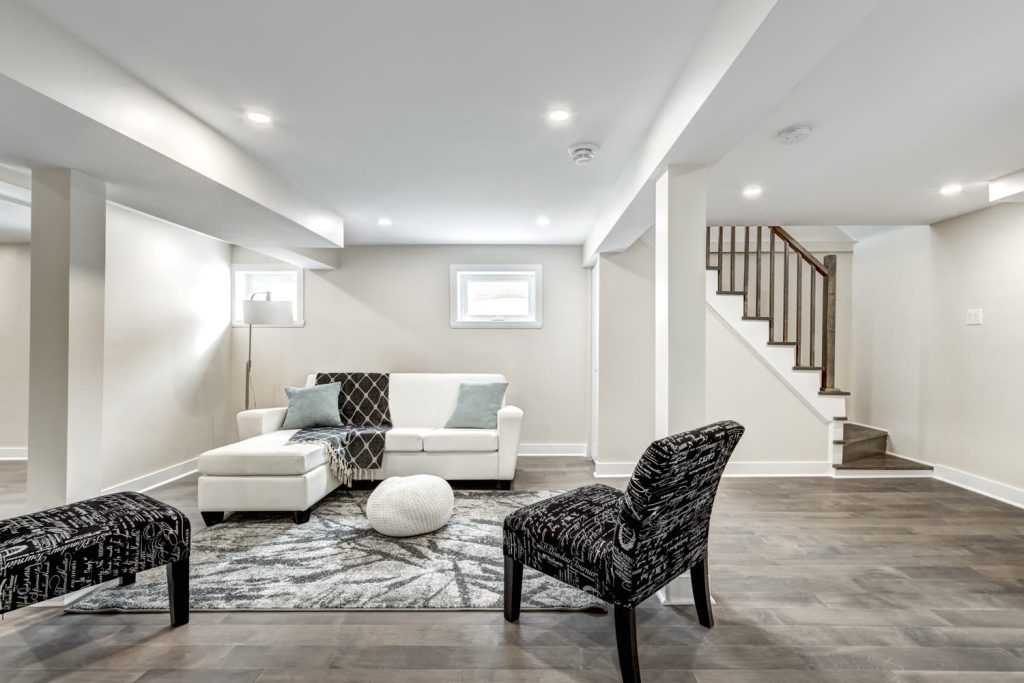
Lighter paint colors can trick the eye into seeing a basement as more spacious and open. Soft whites, pale grays, and muted tones reflect the limited light available, increasing brightness and reducing the feeling of enclosure that basements often carry. Strong contrasts, such as pairing light walls with darker flooring, can further define and expand visual space.
In practice, choosing the right shade affects depth and dimension in the basement. For example, a pale gray with cool undertones can visually push walls outward, creating a sense of airiness without overwhelming the room. Conversely, darker hues tend to absorb light, making low-ceilinged areas feel tighter and more confined. Incorporating subtle undertones—like blue or green in a light color—can enhance light reflection and add richness, while avoiding harsh whites that risk cold sterility. Ultimately, your paint choices not only brighten but also cleverly manipulate the perception of your basement’s size and openness.
Recommended Color Palettes for Basements
Soft Whites and Light Grays
Soft whites and light grays offer a versatile foundation that reflects light without creating a sterile feel. Shades like cream, off-white, and dove gray bounce natural and artificial light effectively, making the space appear larger and more inviting. These colors provide a neutral backdrop for various décor styles and allow you to layer in accent colors easily, helping your basement feel fresh yet comfortable.
Pastel Shades for a Cozy Feel
Incorporating pale blues, greens, and yellows adds a gentle splash of color while maintaining brightness. These pastels soften the space and bring warmth, helping basements feel less like an underground room and more like a cozy extension of your home.
Beyond just color, pastels with subtle undertones improve mood and perception of space. A soft mint green or baby blue can visually expand low ceilings and offset dim lighting. In Columbus’s seasonal climate, where natural light fluctuates, these shades brighten the room year-round, making your basement a pleasant retreat rather than a dark corner.
Warm Neutrals and Their Benefits
Warm neutrals like beige, taupe, and light honey tones create an inviting, soothing atmosphere that resists the coldness often associated with basements. These colors absorb just enough light to avoid glare while reflecting enough to keep the area open and airy.
Adding warmth through neutrals helps balance cooler concrete walls and flooring common in basements. For example, light tan walls paired with wood furniture enhance the sense of comfort and cohesiveness. Warm neutrals also coordinate well with accent textiles, allowing you to customize your space with color pops without overwhelming the palette.
Avoiding Dark Colors: What to Consider
Dark colors tend to make basements feel smaller and can absorb light, intensifying the space’s dimness, which limits your design options. They may work in limited areas like feature walls, but widespread use risks creating a heavy, claustrophobic atmosphere.
Still, selecting the right shade and finish can mitigate these issues. For instance, a deep charcoal with a slight sheen can lend sophistication without shrinking the room if paired with ample lighting and lighter floors. Testing paint samples in different parts of your basement during various lighting conditions is a smart way to see how dark hues behave before committing.
Paint Finishes and Their Effects
Gloss vs. Matte: Which to Choose?
Glossy finishes reflect the most light, helping to brighten dim basement spaces, but their sheen can reveal wall imperfections more readily. Matte finishes absorb light, creating a softer, more muted look that hides flaws effectively. If your basement walls are smooth and well-prepped, a gloss or satin finish can enhance brightness, while matte works better when the walls have texture or minor blemishes. Balancing the trade-off between reflectivity and imperfection visibility will help you select the right look.
Best Finishes for Humid Environments
Basements often suffer from moisture, so choosing paint with moisture and mildew resistance is key. Satin and semi-gloss finishes provide a durable, moisture-repellent surface that stands up well against humidity, unlike flat finishes, which can absorb moisture. These finishes also make cleaning easier, reducing the risk of mold and mildew growth in damp areas.
In detail, satin and semi-gloss paints utilize a higher resin content, forming a smoother, less porous coating that inhibits moisture penetration. This protective layer is especially valuable in basements prone to condensation or occasional leaks. Selecting a mildew-resistant formula combined with these finishes increases longevity and maintains the fresh look of your space, saving you from frequent repainting or costly repairs.
The Role of Semi-Gloss in Reflections
Semi-gloss finishes strike a balanced reflectivity, bouncing enough light to help brighten your basement without the intense shine of full gloss. This makes semi-gloss an excellent choice for basement walls and trim, adding a subtle luster that contributes to an airy atmosphere while maintaining durability.
Semi-gloss resists scuffs and stains better than flat or matte finishes, which is important for high-traffic basement areas like home offices or entertainment zones. Its slight shine highlights architectural details such as molding and beams, creating depth and dimension in a room with limited natural light. For a welcoming basement feel, semi-gloss offers both practical benefits and aesthetic enhancement.
Techniques to Enhance Light Reflection
Strategic Lighting Solutions
Incorporating layered lighting can transform your basement by reducing shadows and brightening the space. Use recessed ceiling lights combined with wall sconces and floor lamps to create even illumination. Opt for LED bulbs with a color temperature around 3000K to 4000K, which provide a warm yet clear light that complements soft neutrals and pastels. Installing dimmers allows you to adjust brightness according to the mood and function of the room, maximizing both comfort and brightness.
Using Mirrors and Reflective Surfaces
Mirrors are powerful tools for bouncing light into dark corners and visually expanding your basement. Position large mirrors opposite or near light sources to double the amount of reflected light. Incorporate reflective décor elements such as glass tabletops, metallic picture frames, or glossy ceramics to amplify brightness throughout the space subtly.
Strategically chosen mirrors don’t just increase light; they also create a sense of depth that makes your basement feel larger. For instance, a floor-length mirror leaning against a wall can reflect an entire side of the room, while smaller grouped mirrors add artistic interest while dispersing light. Reflective surfaces paired with light-colored paint finishes create a multi-layered effect that maximizes luminosity without overcrowding.
Enhancing Natural Light Wherever Possible
Taking advantage of every bit of natural light available radically improves basement ambiance. Clear window wells, if present, should be kept clean and free from obstructions. Consider adding window film that boosts daylight entry while maintaining privacy. Using light-filtering curtains rather than heavy drapes helps draw in natural light without sacrificing warmth or softness.
Even small basement windows can become focal points for brightness when complemented with reflective trim painted in crisp white or soft off-white shades. Enlarging window openings or installing glass block windows offers additional daylight without compromising security or insulation. Maximizing natural light reduces reliance on artificial lighting and contributes to a healthier, more inviting environment.
Coordinating with Existing Basement Elements
Flooring Considerations: Color and Texture
Lighter wall colors complement a range of flooring options, from light wood to neutral-toned carpet, maintaining an open and inviting feel. If your basement has darker flooring, balancing it with pale gray or soft off-white walls prevents the space from feeling heavy or closed-in. Textured flooring like natural stone or wood grain can add warmth and depth, while smooth laminate or carpet supports a seamless look that draws light throughout the room.
Selecting Furniture that Complements Wall Colors
Choosing furniture in light or neutral tones enhances the brightness created by your paint choices. Soft beige or pale gray sofas, glass-topped tables, and reflective metallic accents keep the space airy and cohesive. Contrasting darker furniture can work if balanced carefully, ensuring it doesn’t overpower the lighter walls but adds dimension through selective use.
Opting for furniture with clean lines and minimal bulk maximizes the sense of openness. Upholstered pieces in muted fabrics avoid cluttering the visual field, while glass or mirrored surfaces amplify light reflection. Incorporating pieces with warm undertones alongside cooler wall colors creates a welcoming blend of comfort and style without compromising the bright atmosphere you’ve cultivated with paint.
Adding Artwork and Décor for a Unified Look
Artwork and décor offer a chance to add personality while supporting your basement’s color scheme. Choosing pieces with colors that echo your walls or furniture creates harmony, while accents like light-toned rugs, pillows, and plants introduce subtle contrast and interest without overwhelming the space.
Focus on art that incorporates light, airy palettes or natural textures to reinforce brightness. Mirrors positioned strategically can extend light and create depth, making the basement feel larger. Using décor thoughtfully—such as glass vases, metallic frames, or soft textiles—adds layered warmth and prevents the space from feeling flat, all while maintaining the fresh, inviting ambiance achieved through your paint and furnishings.
Addressing Basement Challenges Before Painting
Managing Moisture and Humidity Issues
Basement walls often face moisture that can lead to peeling paint and mold growth if left unaddressed. Applying a moisture-resistant primer combined with mildew-resistant paint significantly improves durability and helps maintain a clean, healthy environment. Investing in proper ventilation or a dehumidifier also reduces humidity levels, safeguarding your new paint job and preventing long-term damage to your walls.
Preparing Walls for Optimal Paint Adhesion
Concrete or unfinished basement walls require thorough preparation before painting. Start by cleaning surfaces and applying a masonry sealer to block moisture and create a smooth base. Repair any cracks or uneven areas using patching compounds, followed by sanding to ensure an even surface. Proper preparation ensures paint adheres well and provides a long-lasting, professional finish.
Uneven wall textures, peeling paint remnants, or surface contamination can interfere with paint adhesion, leading to premature failure. Using high-quality patching products to fill cracks and sanding the area smooth allows the paint to bond uniformly. In basements with porous concrete walls, a masonry sealer not only blocks moisture but also prevents paint from soaking in unevenly, preserving color vibrancy and finish consistency. Skipping these prep steps risks paint peeling, bubbling, or flaking within months, especially in humid basement environments.
Choosing Colors for Low-Light Conditions
Basements rarely benefit from abundant natural light, so selecting paint colors that perform well under artificial lighting is key. Soft whites, light grays, and warm neutrals with cool undertones reflect light effectively without feeling harsh. Testing paint samples under your basement’s specific lighting conditions helps ensure the colors you choose will brighten the space as intended.
Low-light basements challenge color accuracy and perception, as fluorescent or LED light bulbs can shift how hues appear on walls. Opting for paint with a light reflectance value (LRV) above 55 enhances brightness by reflecting more light. Cooler undertones in grays and blues further boost the airy feel, while warm neutrals add subtle coziness without compromising illumination. Sampling multiple shades on different walls and viewing them at various times of day prevents surprises after painting, allowing you to select colors that create a welcoming, well-lit atmosphere confidently.
Conclusion
With this in mind, you can transform your basement into a brighter, more inviting space by carefully selecting light, warm paint colors, and finishes that reflect light effectively. Pairing these choices with thoughtful coordination of flooring, furniture, and trims will enhance the overall atmosphere of your basement. Addressing moisture and lighting challenges will ensure a long-lasting, beautiful finish. If you’re ready to refresh your Columbus, Ohio home, trust professional painters to help you create a welcoming basement that truly feels like part of your living space. Visit 3S Painting for expert assistance and a free quote.
FAQ
Q: What are the best paint colors to brighten a basement in Columbus, Ohio homes?
A: To brighten a basement, especially in Columbus, Ohio, where natural light may be limited, it’s best to choose light but warm colors. Soft whites, light grays, and warm neutrals reflect light without feeling cold or sterile. Pastel hues like pale blues, greens, or yellows add a subtle touch of color while keeping the space airy. Avoid deep or dark colors as they tend to absorb light and can make the basement feel smaller and dimmer.
Q: How can paint finishes impact the brightness and durability of basement walls?
A: Paint finish affects both light reflection and how well the paint holds up over time. Satin or eggshell finishes work well for basements as they offer a soft sheen that reflects light without highlighting wall imperfections. These finishes also tend to be more durable and easier to clean compared to flat or matte paints. Semi-gloss finishes can be used on trim or moldings to add a bright, polished effect while being highly resistant to moisture and scuffs.
Q: What steps should Columbus homeowners take before painting a basement to ensure the best results?
A: Basements often face moisture and surface preparation challenges that should be addressed first. Using a moisture-resistant primer and mildew-resistant paint helps prevent peeling and mold issues in humid conditions. For unfinished or damaged walls, sealing masonry surfaces and repairing cracks with patching and sanding creates a smooth, even base for paint. Testing paint samples under the basement’s artificial lighting is also advised to choose colors that look bright and inviting in variable light conditions.

James Schrienk, a resident of Columbus, OH, is the proud owner of 3S Painting. With a wealth of experience in managing businesses of various scales, his expertise lies in project and people management. Jim thrives in team environments, always focusing on labor efficiency and delivering high-quality client results. His leadership style and practical communication skills have made him an exceptional manager and a driving force behind the success of 3S Painting. When he’s not leading his team to excellence, Jim enjoys continuously exploring innovative strategies to improve customer satisfaction.