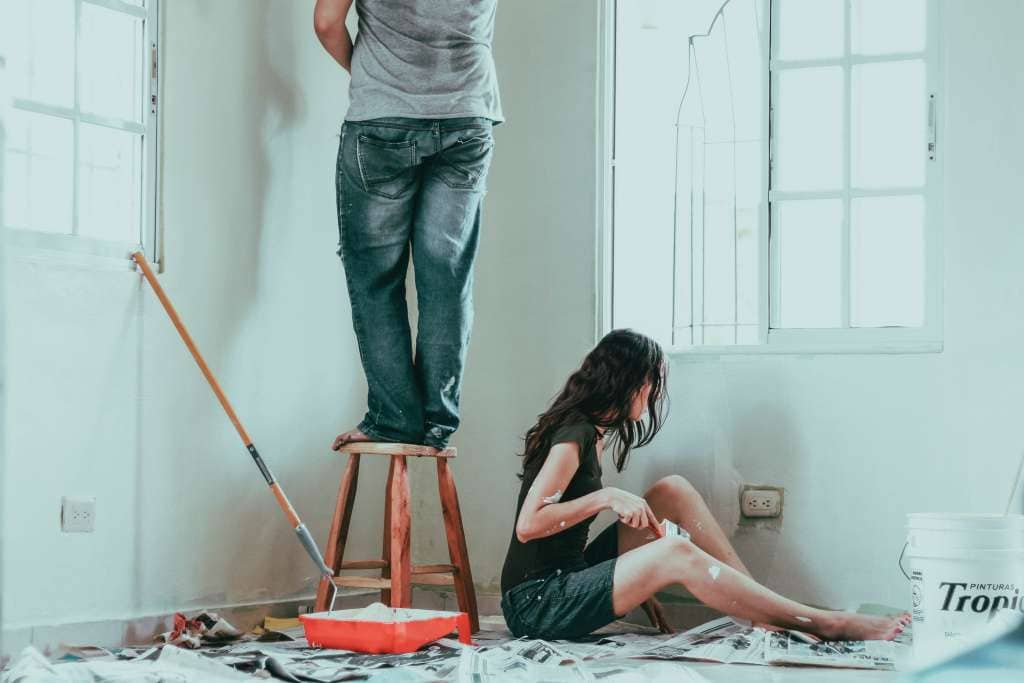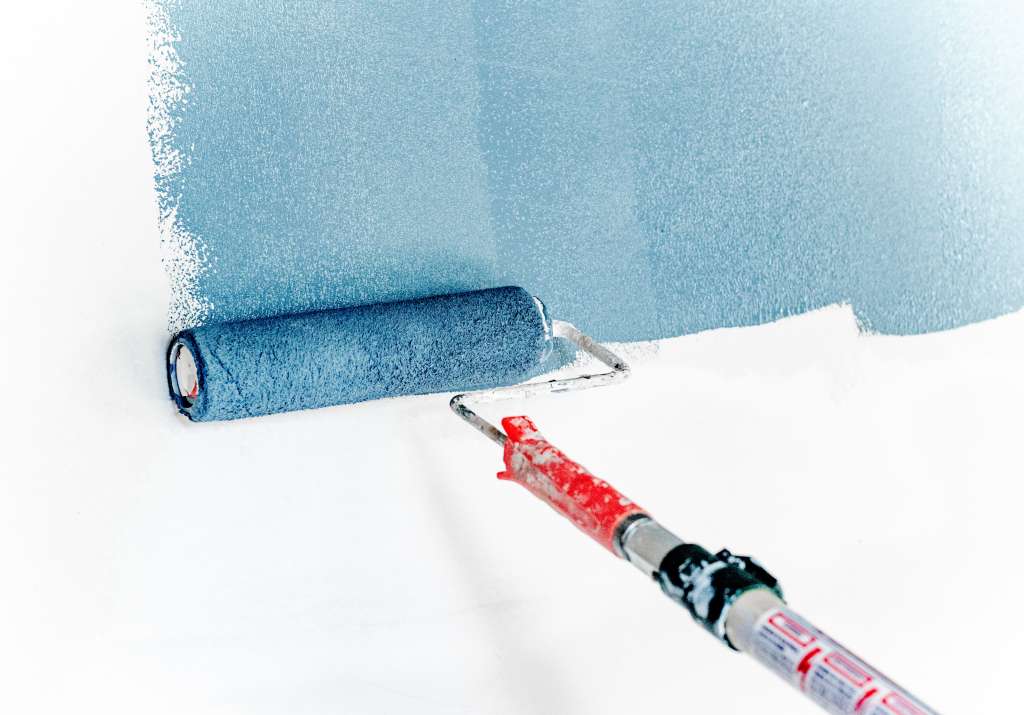
A successful interior paint job is as much about preparation as the painting itself. Prepping your walls properly ensures a smooth, long-lasting finish and prevents common issues like peeling, bubbling, or uneven coverage. Whether you’re planning a DIY project or hiring professionals, understanding the steps involved in wall preparation can save time, money, and effort. This guide’ll walk you through essential wall prep techniques to achieve that picture-perfect look.
Start with a Clean Slate
One of the most critical steps in wall preparation is cleaning the surface. Paint adheres best to clean, dry walls, free from dust, grease, and grime.
Steps to Clean Walls:
- Dusting: Use a microfiber cloth or vacuum with a brush attachment to remove loose dust and cobwebs.
- Washing: Wash the surface with warm water and mild dish soap for kitchen walls or areas exposed to grease. Rinse with clean water and allow it to dry.
- Spot Treatment: Use a degreaser or specialized wall cleaner for tough stains like crayon marks or nicotine residue.
Why This Matters:
A clean wall improves the paint bond, resulting in a smooth, even finish. Skipping this step can lead to adhesion problems, requiring costly repairs later.
Repair Imperfections
Before applying any paint, inspect your walls for cracks, holes, or dents. These imperfections can become glaringly obvious once the paint dries.
Steps to Repair Walls:
- Filling Holes: Use spackling paste or joint compound to fill nail holes and minor dents. Please apply with a putty knife, scrape off excess, and let it dry.
- Fixing Cracks: Use a flexible caulk or fiberglass mesh tape covered with a joint compound for larger cracks.
- Sanding: Once repairs are dry, sand the area until it’s flush with the surrounding wall. Use fine-grit sandpaper for a smooth finish.
- Priming Repairs: Apply a coat of primer over the repaired spots to ensure even paint absorption.
Why This Matters:
Ignoring imperfections can compromise the final look of your paint job, making it appear unprofessional. Proper repairs create a seamless surface, enhancing your walls’ overall aesthetic.
Protect the Surroundings
Painting can be messy, so protect your floors, furniture, and fixtures.
Steps to Protect Your Space:
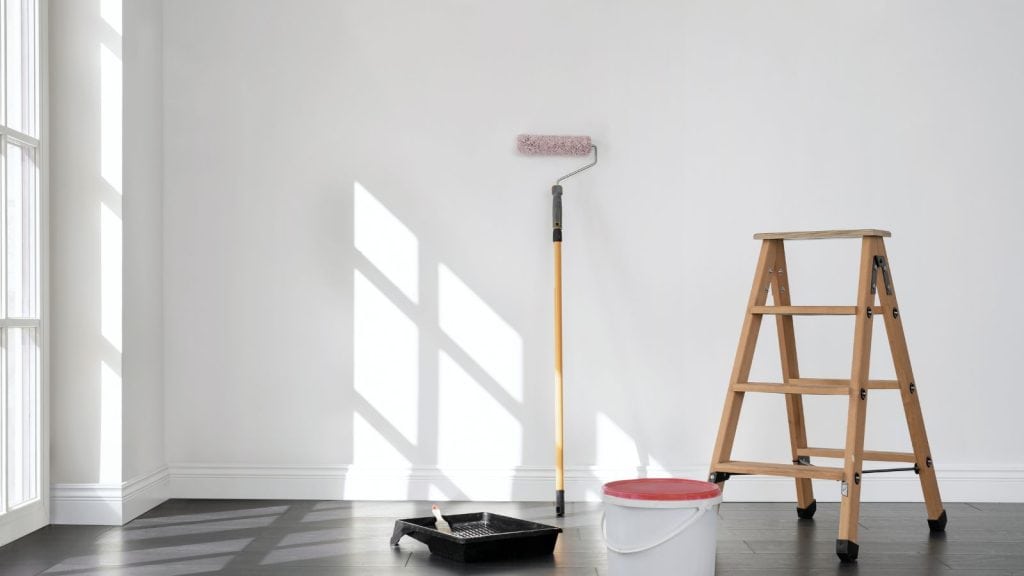
- Covering Floors: Lay down drop cloths or plastic sheeting to protect your flooring from drips and spills.
- Masking Trim and Fixtures: Use painter’s tape to cover baseboards, crown molding, and electrical outlets. Make sure the tape adheres well to prevent paint bleed.
- Removing Furniture: If possible, move furniture out of the room. If not, gather it in the center and cover it with plastic.
- Ventilation: Open windows or use fans to ensure proper airflow, which helps the paint dry evenly.
Why This Matters:
A clean, organized workspace reduces stress during painting and minimizes cleanup time afterward.
Sand and Prime the Walls
Sanding and priming are often overlooked but are essential for achieving a professional finish.
Sanding the Walls:
- Why Sand? Sanding removes any rough patches, old paint drips, or uneven surfaces that can show through the final coat.
- How to Sand: Use medium-grit sandpaper for initial smoothing, followed by fine-grit sandpaper for finishing. Wipe away dust with a damp cloth.
Priming the Walls:
- When to Prime: Always prime if you’re painting over a dark color, bare drywall, or repairs. A primer creates a uniform base and helps the paint adhere better.
- Choosing a Primer: Select a primer suited to your paint type (e.g., oil-based or latex) and wall surface. Some primers even combine with paint for added convenience.
Why This Matters:
Skipping sanding or priming can result in uneven color, poor adhesion, and a less durable finish. Taking the time to do this step right pays off in the final look.
Inspect and Finalize
Before you begin painting, take one last look at your walls to ensure they’re ready.
Final Checklist:
- Smooth Surface: Run your hand over the walls to check for bumps or rough areas. Sand if necessary.
- Clean Surface: Ensure there’s no dust, grease, or debris left on the walls.
- Proper Lighting: Use bright, even lighting to spot imperfections you might have missed.
- Tape Check: Make sure the painter’s tape is securely in place and hasn’t lifted.
Why This Matters:
A thorough inspection ensures your paint job goes smoothly, avoiding mid-project interruptions or post-paint regrets.
Prepping your walls might feel like an extra chore, but it’s the foundation of a flawless paint job. Cleaning, repairing, protecting, sanding, and priming each play a crucial role in achieving professional-looking results. By dedicating time and effort to these steps, you’ll enjoy a smooth, vibrant finish that lasts for years. Whether you’re tackling the project yourself or hiring a professional, proper preparation is the key to painting success.
For top-notch interior painting in Columbus, Ohio, trust 3S Painting. Our interior painting services include expert wall prep to ensure flawless results. From filling cracks to priming, we handle every step with care and precision. Contact 3S Painting today and let our skilled team transform your space into something beautiful and enduring with professional interior painting services!
FAQ
Why is wall preparation more important than the painting itself?
Wall preparation is the unsung hero of a flawless paint job. Even the highest-quality paint can’t hide cracks, dust, or grease lurking beneath the surface. Proper prep ensures the paint adheres smoothly, prevents peeling, and delivers a finish that looks professional up close and lasts for years.
What’s the most overlooked step in wall prep that can make or break the final result?
Priming is often skipped, but it’s crucial—especially over patched areas, glossy surfaces, or when making dramatic color changes. Primer seals repairs, evens out porosity, and helps paint bond uniformly, preventing unsightly “flashing” or uneven color patches.
How can I spot hidden imperfections before painting?
Use a utility light or flashlight held close to the wall and move it slowly across the surface. This technique reveals subtle dents, hairline cracks, and old paint ridges that are invisible in normal lighting, allowing you to address them before they ruin your finish.
Are there creative cleaning hacks for prepping walls beyond just soap and water?
Absolutely! For a deep clean, try a solution of white vinegar and water to cut through stubborn grime, or use sugar soap for greasy kitchen walls. For mold-prone areas, an anti-mold solution is essential. Always rinse thoroughly and let the walls dry completely before painting.
What’s a common mistake DIYers make that professionals avoid at all costs?
Rushing the prep or skipping steps like sanding, patching, or cleaning is a classic pitfall. Professionals know that meticulous prep—filling every hole, sanding every patch, and cleaning every inch—transforms a paint job from “good enough” to “flawless.” Take your time, and your walls will thank you every day.

James Schrienk, a resident of Columbus, OH, is the proud owner of 3S Painting. With a wealth of experience in managing businesses of various scales, his expertise lies in project and people management. Jim thrives in team environments, always focusing on labor efficiency and delivering high-quality client results. His leadership style and practical communication skills have made him an exceptional manager and a driving force behind the success of 3S Painting. When he’s not leading his team to excellence, Jim enjoys continuously exploring innovative strategies to improve customer satisfaction.