Kid Friendly paint choices help you protect your family and pets while delivering durable, washable, stain-resistant finishes that stand up to everyday wear. This guide shows how to prioritize low-VOC and zero-VOC options, surface prep, and finish levels so your walls stay beautiful longer, while avoiding VOC emissions and lead hazards in older homes to keep your household safe.
Key Takeaways:
- Keep the guide but tweak to emphasize low-/zero-VOC, scrub-resistant finishes (satin/eggshell for walls, semi-gloss for trim) that balance safety and durability for kids and pets.
- Add Columbus-specific prep and product advice—priming, multiple thin coats, and mildew- or stain-resistant formulas to withstand seasonal humidity and high-traffic wear.
- Include practical safety and maintenance steps: ventilate during application, restrict access until dry, test color/finish patches, and recommend washable paints for easy long-term upkeep.
Understanding Kid- and Pet-Friendly Paints
Definition and Importance
Kid- and pet-friendly paints are formulations with low- or zero-VOC solvents, reduced odor, and non-toxic pigments that limit off-gassing; many low-VOC products measure under 50 g/L VOC. You should watch for homes built before 1978, as lead-based paint may still be present and pose a serious hazard if disturbed. These paints prioritize indoor air quality and safer short-term exposure while maintaining the coverage and adhesion you need for family spaces.
Benefits of Using Safe Paints for Families
By choosing safe paints for your family, you’ll experience lower airborne pollutants and less lingering smell, often allowing reentry within a few hours and normal use much sooner. Manufacturers like Benjamin Moore Natura and Sherwin-Williams Harmony deliver zero-VOC claims plus improved stain resistance. In addition, washable, scrub-resistant finishes reduce repaint frequency and make cleaning up fingerprints and pet marks simpler, protecting both health and long-term finish performance.
Choose the right finish and prep to maximize benefits: in high-traffic areas, opt for satin or semi-gloss (better washability), pair with a stain-blocking primer for nicotine, crayon, or pet stains, and use mildew-resistant formulas in bathrooms. You’ll pay a bit more up front, but improved durability and fewer touch-ups often offset costs; contractors report fewer callbacks when using purpose-made low-VOC, high-scrub paints in family homes.
Types of Kid- and Pet-Friendly Paints
- Kid- and Pet-Friendly Paints
- Columbus Interior Painting
- Durable Finishes
| Low‑VOC / Zero‑VOC | Interior water‑based formulas with ≤50 g/L for low‑VOC and ≤5 g/L for zero‑VOC; good for bedrooms and playrooms, with much lower off‑gassing than solvent paints. |
| Water‑based Acrylics (Non‑toxic options) | Fast‑drying, low odor, formulated without heavy solvents; many meet Greenguard or Green Seal standards for indoor air quality. |
| Washable Finishes (Satin / Semi‑Gloss) | Satin and semi‑gloss sheens offer higher scuff resistance and wipeability—ideal for trim, kitchens, and mudrooms where stains are common. |
| Natural Paints & Dyes | Milk, clay, and lime paints use plant/mineral binders with very low chemical additives; breathable but often need a protective topcoat for heavy traffic. |
| Antimicrobial / Mold‑Resistant Coatings | Specialty additives reduce bacterial growth in high‑moisture areas; choose products tested to avoid toxic biocide emissions and look for independent lab data. |
Low-VOC and Zero-VOC Paints
You’ll find low‑VOC paints typically rated at about ≤50 g/L and zero‑VOC options at ≤5 g/L; they cut off‑gassing dramatically, so you can re‑enter rooms within hours rather than days, and they’re broadly available from major brands for interior walls and ceilings.
Non-Toxic Paint Options
You can choose water‑based acrylics, shellac‑based primers, or certified low‑emission lines that avoid heavy solvents and phthalates; many products carry Greenguard or Green Seal labels, which helps when you’re prioritizing indoor air quality for children and pets.
In practice, pick a high‑quality water‑based acrylic for most rooms, use a shellac primer to block stains or lead paint residues, and verify third‑party test data—some “natural” claims hide pigments or additives, so check labels for VOC numbers and certifications.
Washable Paint Finishes
You should favor satin or semi‑gloss sheens where messy activity is expected; these finishes resist staining and allow repeated wiping with mild detergent without dulling, making them ideal for high‑touch areas like hallways and kitchens.
For example, choose a high‑quality acrylic semi‑gloss for trim and doors and a durable satin for walls in play areas—this combination balances cleanability with a lower visual sheen and can reduce repaint frequency in homes with kids and pets.
Natural Paints and Dyes
You may opt for milk, clay, or lime paints when chemical exposure is a priority; these use plant or mineral binders and plant‑derived pigments, produce very low off‑gassing, and suit low‑traffic spaces or decorative finishes.
When using natural paints in active rooms, plan to add a breathable protective sealer or a low‑VOC clear coat to enhance abrasion resistance; test adhesion on your substrate first because natural formulas can behave differently on drywall, plaster, or wood.
After weighing VOC levels, cleanability, certifications, and the specific rooms you’re painting, choose the product that best balances low emissions with the durability your household needs.
Evaluating Durability in Paints
Scratch and Stain Resistance
You should prioritize paints with high abrasion ratings and stain-release technology; look for products advertised with 500–2,000+ scrub/resistance cycles, or labeled “scrubbable.” Semi-gloss and satin sheens typically resist scuffs and crayon marks better than flat finishes, and paints with tougher binders (100% acrylic) will hold up to pets’ claws and toys. In high-traffic areas, choose a paint that explicitly lists abrasion or scuff resistance, and consider a clear protective topcoat for added wear protection.
Washability and Cleanup
You want paints that survive frequent cleaning: opt for those rated as washable or “scrubbable” and test a small area with mild soap and water before full cleaning. Manufacturers often list scrub cycle counts; aim for 1,000+ cycles in kids’ rooms. Use nonabrasive cloths and pH-neutral cleaners—harsh solvents or abrasive pads will dull or strip the finish.
Most interior latex paints reach handleability in hours but approach full cure around 7–30 days, so avoid aggressive scrubbing until then. In practice, wash with a microfiber cloth and diluted dish soap; for greasy stains, use a degreaser formulated for painted surfaces. If you have stubborn marks, test a hidden spot and work from bottom up to avoid streaking. For mildew-prone areas, pick paints with mildewcide, and clean only when manufacturer guidance allows, using a diluted bleach solution.
Longevity of Finishes
You’ll get different lifespans depending on traffic and prep: expect 3–7 years in busy kitchens or hallways and 7–15 years in low-traffic bedrooms. Proper substrate prep, a high-quality primer, and two finish coats significantly extend service life, while cheaper single-coat jobs often fail sooner under wear and moisture.
Adhesion and pigment quality matter: 100% acrylic paints resist chalking and UV fade better, and stain-blocking primers stop tannin bleed or smoke discoloration. Manufacturers’ warranties often range from 5–15 years; treat them as performance indicators, not guarantees. To maximize longevity, repair nail pops, sand glossy surfaces, apply a bonding primer where needed, and use at least two top coats—this routine reduces peeling, flaking, and premature touch-ups.
Essential Features of Kid- and Pet-Friendly Paints
Safety Standards and Certifications
You should choose paints with recognized third-party labels like Green Seal GS-11, GREENGUARD Gold, or the EPA Safer Choice mark; these indicate low emissions and ingredient screening. Aim for products with VOCs under 50 g/L or true “zero-VOC” at 0–5 g/L after tinting. High-VOC coatings can trigger asthma and allergic reactions, so certifications matter for sensitive households.
Color Retention and Fading Resistance
You want paints formulated with stable pigments and UV inhibitors so walls keep their hue for years; look for manufacturers that report Delta E or accelerated QUV test results showing minimal change after ~2,000 hours. Inorganic iron-oxide pigments and high pigment loadouts resist fading far better than many organic dyes.
For longer-term performance, prioritize 100% acrylic latex binders and paints that list UV absorbers or HALS (hindered amine light stabilizers) in their ingredient or tech sheets. Inorganic pigments such as iron oxides and titanium dioxide provide opacity and lightfastness; by contrast, vibrant organic pigments often show measurable shift under strong window light. Independent accelerated-weathering tests (QUV or Xenon) that report a Delta E ≤ 2 after 1,500–2,500 hours are a good benchmark for interior surfaces exposed to sunlight.
Quick Drying and Low Odor Properties
You’ll benefit from waterborne acrylics that often reach touch-dry in 30–60 minutes and allow recoats in 2–4 hours, while alkyds typically need 6–8+ hours. Low-odor formulations with VOCs below 50 g/L reduce irritation for kids and pets and shorten room downtime after painting.
Fast-drying waterborne systems cut disruption—ideal when you need rooms back in use within a day—but they can increase lap marks or raise viscosity issues in high heat or low humidity. Control application by keeping the temperature between 50–85°F and relative humidity under 70%, using proper thinning per the tech sheet, and ventilating with fans or open windows. Note that intense tint loads can slightly extend dry time and raise VOCs, so verify post-tint VOC values on the product data sheet.
Choosing the Right Paint for Your Space
Assessing Room Needs and Use Cases
Start by mapping how each room is used: in playrooms and entryways, you need stain-resistant, scrubbable paints; in kitchens and bathrooms, moisture- and mildew-resistant formulas; and in bedrooms and media rooms, low-VOC, matte or eggshell finishes to reduce glare. Quantify traffic—high-traffic spaces typically need repainting every 3–5 years versus 7–10 years in low-traffic rooms—and plan finishes and primers accordingly.
Color Psychology in Family Spaces
Lean on color to shape behavior: soft blues and greens promote calm and lower heart rate, making them ideal for bedrooms and nurseries, while warm yellows and light oranges boost energy in kitchens and play areas. Avoid very saturated reds or neons in long-stay zones because they can overstimulate young children and increase agitation.
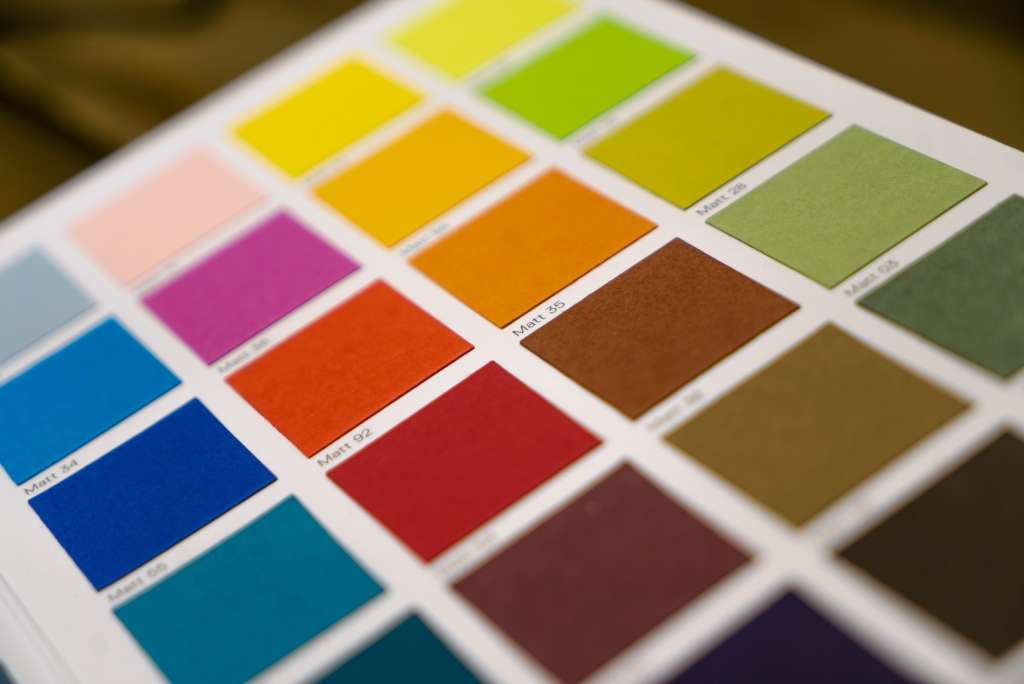
Consider room orientation and light when applying color psychology: north-facing rooms with cooler light benefit from warmer tones (soft beige, warm whites) to add perceived warmth. In contrast, south-facing rooms can handle cooler blues and greens without feeling cold. Use Light Reflectance Value (LRV) as a guide—choose LRV 50+ for small, dim rooms to keep them bright; lower LRVs work in large, sunlit spaces. Test 2–3 sample swatches on different walls and view them at morning and evening light before deciding.
Matching Paint Finish with Functionality
Pick finishes by use: flat/matte hides imperfections in adult bedrooms; eggshell works well in living rooms; satin or semi-gloss is best for kid-and-pet areas because it stands up to wiping and stains; high-gloss suits trim and cabinets. Always pair the finish choice with an appropriate primer, and aim for at least two coats in high-traffic rooms.
Look for labels like “washable,” “scrubbable,” or “stain-release” and prioritize mid-sheen options (satin/semi-gloss) where cleanup matters—they typically tolerate repeated cleaning without color loss. Avoid high gloss on textured walls, as it highlights flaws. In homes with active children and pets, specify a paint with added durability technology and a solvent- or water-based stain-blocking primer to prevent bleed-through; that combination reduces touch-ups and keeps walls looking newer longer.
Tips for Application
- Work in 6–10°F above the paint’s minimum temperature and aim for 40–60% humidity for optimal drying of Kid- and Pet-Friendly Paints.
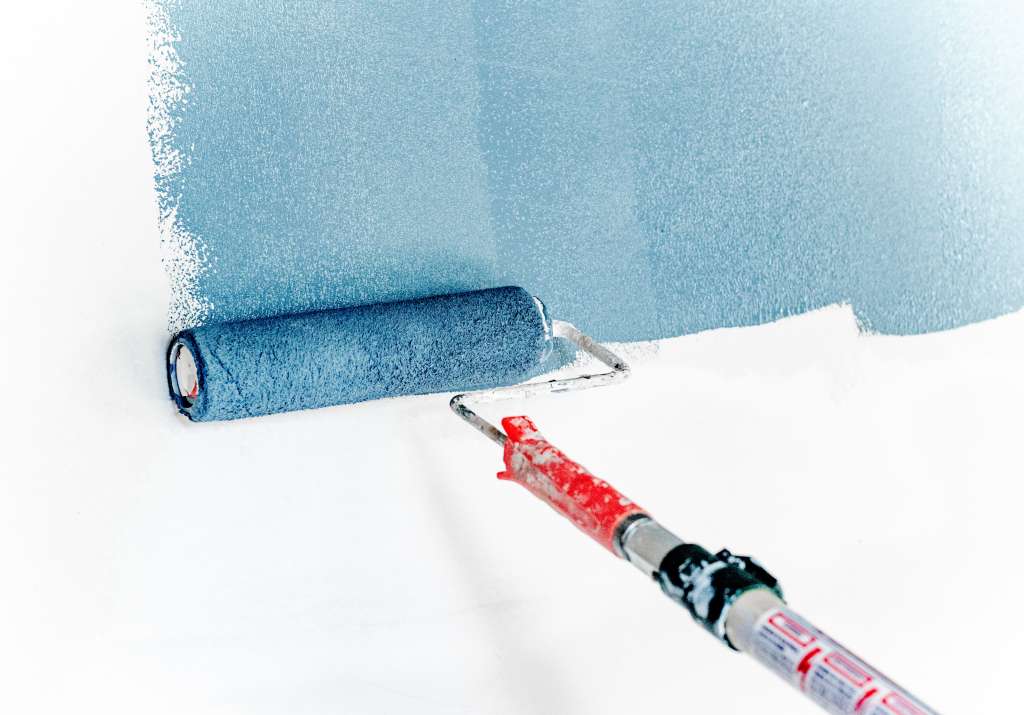
- Use a 2.5–3″ angled brush for trim, and a 9–12″ roller with a 3/8″–1/2″ nap for walls to achieve consistent, durable finishes.
- Apply two thin coats rather than one thick coat; most interior latex covers 300–400 sq ft per gallon.
- Choose low- or zero-VOC formulas and ventilate to keep fumes below 50 g/L during drying.
- Test suspect surfaces in homes built before 1978 for lead before sanding or scraping.
Prepping Surfaces for Painting
You should remove dirt, grease, and loose paint, sand glossy areas with 150–180 grit to improve adhesion, fill gaps with a paintable caulk, and prime stained or repaired spots with a low-VOC primer. If your home was built before 1978, test for lead and follow abatement steps to avoid hazardous dust before you sand or strip.
Application Techniques for Best Results
Start by cutting in along trim and corners with steady strokes, then back-roll to blend; keep wet edges moving and maintain a 4–6″ overlap to avoid lap marks, aiming to recoat in 2–4 hours depending on the product’s label. For washable finishes, use a light touch to avoid roller stipple.
When spraying, thin per manufacturer guidelines (usually 5–10%) and hold the gun 8–12″ from the surface, overlapping passes by 50% for uniform coverage; for brushes, work with the grain and feather out excess, and for rollers, use a “W” pattern then fill it in to prevent banding. Always track temperature and humidity—below 50°F or above 80°F can dramatically extend dry times—and follow cure timelines: many acrylics reach touch-dry in 1 hour, recoat in 2–4 hours, and full hardness in up to 14 days.
Post-Painting Care and Maintenance
After painting, ventilate for 24–48 hours, wait 7–14 days before heavy cleaning, and use mild detergent for scuffs; semi-gloss and satin durable finishes resist scrubbing better than flat sheens. Keep toys and pet bowls away until surfaces are fully cured to prevent staining and wear.
For routine upkeep, wash high-traffic walls every 2–6 months, depending on use, use soft sponges with a pH-neutral cleaner, and touch up chips with saved cans of the same batch or a color-matched sample—apply touch-ups in thin layers and feather edges to blend. If a surface shows repeated wear within a year, consider upgrading to a washable, scrubbable finish like satin or semi-gloss and refine your prep (better sanding, spot priming) to extend life. Perceiving how those small steps—sanding with 180-grit, using a 9- to 12-inch roller, and applying two thin coats—extend the life of your durable finishes will help you protect your home and the safety of children and pets.
Upon reflecting on Kid- and Pet-Friendly Paints: Columbus Interior Painting Guide to Durable Finishes — keep or tweak?, You should keep the guide’s emphasis on low-VOC, washable, and durable products, but tweak the recommendations to the local climate and the specific room use. Prioritize easy-clean finishes, certified low-emission brands, and child- and pet-safe application practices so your home stays healthy and long-lasting.
FAQ
Q: Should I keep my existing interior paint or switch to a new kid- and pet-friendly finish for a Columbus home?
A: Inspect the current paint for adhesion, staining, odor, and sheen: if it’s intact, low-VOC, and has a washable sheen (satin or semi-gloss in high-traffic areas), you can generally keep it. Repaint when there is peeling, persistent staining, a strong solvent smell, or if the finish is flat in areas that need frequent cleaning. For Columbus homes with seasonal humidity, choose water-based acrylic latex with mildew resistance for basements and bathrooms; use a stain-blocking primer over knots, crayon marks, or pet stains before recoating to ensure long-term performance.
Q: What paint features and sheens should I prioritize for durability, health, and easy cleaning around kids and pets?
A: Prioritize low- or zero-VOC formulas, high-quality acrylic binders for durability, and products labeled washable or scrubbable. Use satin or semi-gloss on trim, doors, and high-contact walls for easy cleaning; eggshell works for living spaces where you want lower sheen but some wipeability; reserve flat finishes for ceilings. Look for third-party certifications (Greenguard, Green Seal) and mildew- or stain-resistant formulations to balance indoor air quality and longevity.
Q: How should I prep, apply, and maintain kid- and pet-friendly paints in Columbus to maximize durability and indoor air quality?
A: Prep by cleaning surfaces, repairing holes, and sanding glossy spots, then apply a quality primer where adhesion or staining is a concern. Paint when indoor temperature is within the manufacturer’s recommended range and humidity is moderate—Columbus summers can slow curing, so ventilate or use a dehumidifier to speed drying. Use quality brushes/rollers and follow recommended coverage and dry times; maintain finishes by spot-cleaning with a mild detergent, performing timely touch-ups with the same sheen, and protecting high-use areas with washable mats or washable wall panels to extend the finish life.

James Schrienk, a resident of Columbus, OH, is the proud owner of 3S Painting. With a wealth of experience in managing businesses of various scales, his expertise lies in project and people management. Jim thrives in team environments, always focusing on labor efficiency and delivering high-quality client results. His leadership style and practical communication skills have made him an exceptional manager and a driving force behind the success of 3S Painting. When he’s not leading his team to excellence, Jim enjoys continuously exploring innovative strategies to improve customer satisfaction.