Over time in Columbus, Ohio, selecting the right interior paint finish affects both appearance and upkeep; to guide you, consider activity levels—satin for high-traffic durability, matte for a subtle sheen that hides defects, and flat only in low-use areas since it offers little protection. You can avoid common mistakes by consulting 3S Painting – Columbus, OH, who will help you choose finishes that keep your rooms looking fresh and resilient.
Key Takeaways:
- Choose finish by room activity: satin for high-traffic areas (kids, pets, hallways) because it’s durable and washable; matte for low–to–medium traffic rooms that need a soft, forgiving look; flat for ceilings, historic rooms, or areas with very little wear.
- Color and application affect the final look: deep/dark hues can show roller marks, so proper technique or a matte that hides imperfections is important; local conditions in Columbus (seasonal humidity and temperature) can influence drying and sheen — products like Sherwin‑Williams Duration Interior are good options.
- If you’re unsure, consult 3S Painting – Columbus, OH for finish selection, surface prep, and professional application — the priciest product isn’t always the best match for your space.
Decoding Your Living Space: Assessing Traffic and Use Patterns
High-Traffic Areas: The Case for Durability
Consider entryways, kitchens, kids’ playrooms, and hallways in Columbus, where daily wear is constant. If you host gatherings or have pets, you’ll need a finish that stands up to scuffs and repeated cleaning. Choose a finish like satin, which offers the most durability and washability of common interior sheens and typically falls in the roughly 25–35% sheen range—ideal for scrubbing stains without stripping the finish. Pairing Sherwin‑Williams Duration in satin with washable primers gives you the best chance to keep walls looking fresh.
Low-Traffic Spaces: Emphasizing Aesthetic Qualities
Formal dining rooms, guest bedrooms, and front parlors let you prioritize look over heavy-duty protection; matte or soft eggshell options provide a rich, velvety appearance and help hide minor surface imperfections, while flat finishes conceal wonky walls best but offer little to no protection from cleaning or abrasion.
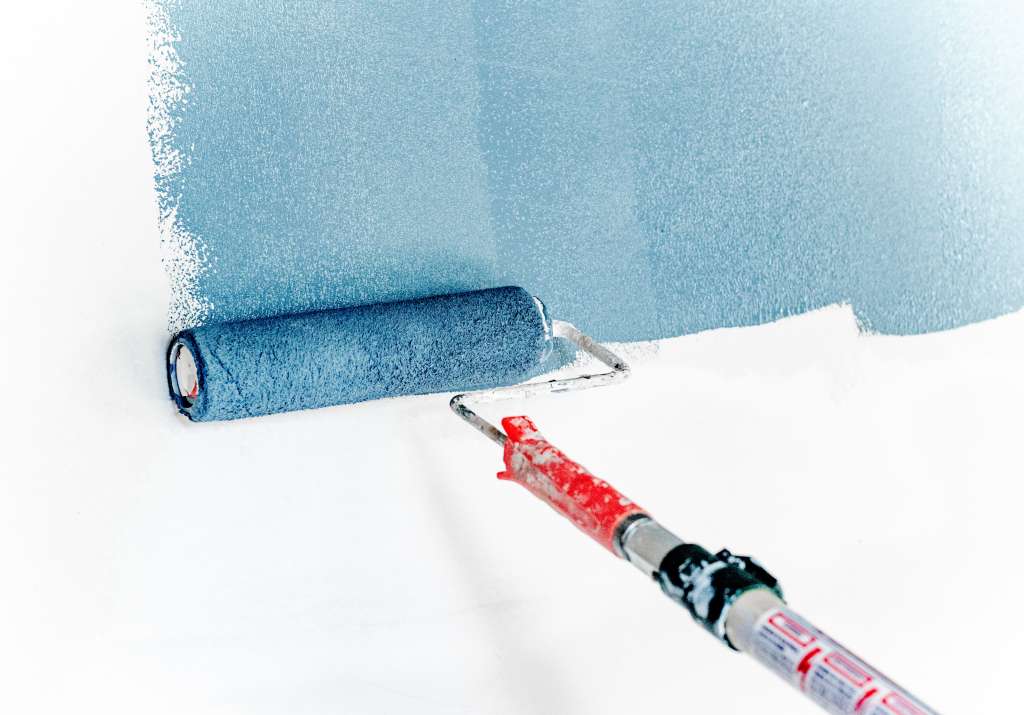
When you pick deep reds, navy, or other saturated tones for low-traffic rooms, use a high-quality 3/8″–1/2″ nap roller and apply at least two even coats plus a tinted primer to avoid roller lines—dark pigments are notorious for showing application flaws. Allow 2–4 hours between latex coats in normal indoor conditions; during humid Columbus summers, expect longer dry times. For a flawless, even finish without the trial-and-error, consider hiring 3S Painting – Columbus, OH to handle techniques like back-rolling, feathering edges, and consistent coat thickness.
The Sheen Spectrum: Understanding Different Interior Paint Finishes
Matte Finish: Elegance vs. Practicality
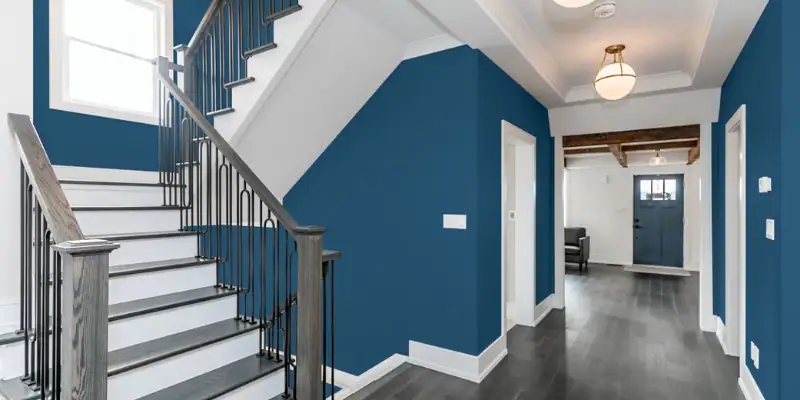
Choose matte for rooms with low to medium traffic where you want color depth and a forgiving look—ideal for living rooms, formal dining rooms, and ceilings. Matte hides surface irregularities and roller texture better than shinier options, making dark hues like deep reds and blues pop without glare. Expect limited scrub ability, so plan matte on walls you won’t need to wipe often and consider higher-sheen trim for durability.
Satin Finish: Balancing Beauty and Functionality
Satin sits between flat and semi-gloss, giving you better washability and scuff resistance while keeping a soft glow; perfect for busy family rooms, kids’ rooms, and hallways in Columbus homes. You’ll gain easier cleaning for fingerprints and pet marks, but minor wall imperfections may become more visible under certain light angles.
For best results, have walls properly primed and repaired before applying satin; professional teams like 3S Painting – Columbus, OH typically apply two coats of a product such as Sherwin-Williams Duration to maximize durability. Clean with a damp cloth and mild detergent—avoid abrasive pads—and expect faster touch-up cycles than with flat finishes, especially in high-traffic zones like mudrooms and entryways.
Semi-Gloss and Gloss Finishes: When to Go Shiny
Use semi-gloss or gloss where maximum durability and easy cleaning are required: trim, doors, window casings, kitchen cabinets, and bathrooms. The high reflectivity highlights architectural details and stands up to repeated wiping, but will also make surface defects and brush marks more obvious, so preparation matters.
Apply semi-gloss/gloss after careful sanding and priming; thin, even coats with a quality brush or spray give the smoothest result. In Columbus’s humid summers, allow extra dry time between coats to avoid tackiness. Gloss is excellent for cabinetry and high-touch millwork, while semi-gloss often balances sheen and forgiveness for trim—both benefit from professional application to minimize visible flaws and ensure long-term performance.
The Color Connection: How Sheen Affects Color Perception
The Role of Light: Glossy vs. Matte Under Various Conditions
Natural and artificial light dramatically change how a sheen reads: south- or west-facing rooms with strong afternoon sun will amplify specular highlights on glossy or satin surfaces, making colors appear lighter and more reflective, while north-facing rooms keep tones cooler and more muted. In low-angle winter light in Columbus, OH, a glossy finish can create distracting glare; matte finishes absorb light and show truer, deeper color, but they also hide fewer surface reflections you might want for a lively space.
Color Depth and Saturation: Choosing Finishes for Dark Hues
Matte sheens tend to deepen and saturate dark blues, greens, and reds, giving you that enveloping feel many homeowners want. At the same time, satin or semi-gloss reduces perceived saturation because of added reflectivity. Test a 12″ swatch in your room at morning, midday, and evening light in Columbus to see how a color shifts; dark colors paired with high gloss often reveal roller marks and unevenness, so you may prefer a flatter finish for consistency.
Sheen percentages help predict results: aim for flat/matte (~5–10% sheen) to maximize depth, satin (~25–35%) for balance between richness and cleanability, and avoid >50% gloss on dark accent walls unless you want a lacquered, reflective effect. Use a high-quality product like Sherwin-Williams Duration, apply two uniform coats over a tinted primer, and choose the proper roller nap (3/8″ for smooth plaster, 1/2″ for light texture) to prevent lap marks. If you want professional results, 3S Painting – Columbus, OH can run sample panels under your room’s exact lighting and recommend the ideal sheen for both aesthetic depth and durability.
Imperfection Management: What Finish Best Hides Flaws?
Flat Finishes: The Ultimate Camouflage
Flat finishes, with sheens typically under 5%, are your best bet for masking dents, bad tape joints, and textured plaster; they absorb light so imperfections nearly disappear. Ideal for ceilings, formal rooms, or historic Columbus homes with uneven walls, flat paint gives a forgiving, velvety look. Trade-offs include very low washability and a high risk of removing paint while trying to clean scuffs, so reserve flat for areas with minimal traffic or where touch-ups are acceptable.
Satin and Matte: Finding a Happy Medium
Satin (roughly 25–35% sheen) offers the best durability and washability for busy hallways, kids’ rooms, and mudrooms. In contrast, matte (about 5–15% sheen) hides moderate roller marks and deep colors better than satin. You get improved cleanability with satin and softer, richer colors with matte. Have 3S Painting – Columbus, OH, assess rooms like kitchens or entryways to match the finish to traffic patterns.
Satin’s higher reflectivity makes scuffs easier to clean, but it can also highlight surface irregularities, making surface prep and a quality primer non-negotiable. In contrast, matte absorbs light, effectively masking blemishes while still tolerating gentle cleaning. Use a 3/8″–1/2″ nap roller for even laydown, apply two coats for uniform sheen, and avoid painting when Columbus humidity climbs above ~50% to prevent lap marks and extended dry times. For dark reds, blues, or jewel tones, opt for matte finishes and hire a professional for consistent application to prevent visible roller streaks.
The Practical Side: Washability and Maintenance Considerations
Cleaning Techniques for Different Finishes
For satin and semi-gloss, mix about one teaspoon of mild dish soap per quart of warm water, use a soft sponge, and rinse with clean water to avoid streaks; test an inconspicuous area first. For matte and flat, gently blot stains and avoid aggressive scrubbing — scrubbing can remove the finish. Use a melamine “magic” sponge sparingly on darker, durable sheens and never apply bleach directly to colored walls. In Columbus homes with kids or pets, spot-clean weekly in high-traffic zones to prevent set-in marks.
Longevity and Wear: How Sheen Influences Durability
Higher-sheen paints (satin, semi-gloss) contain more binders and film-formers, so they resist scuffs and allow repeated cleaning; expect them to hold up far better in hallways and kitchens. Flat and matte sheens hide imperfections but offer minimal abrasion resistance, so they tend to show wear faster in busy rooms. Select sheens based on wall location and how often you’ll need to clean.
Typical lifespan varies with use: in an active family area, you may repaint every 3–5 years with flat or low-sheen finishes, while satin or semi-gloss can stretch to 7–10 years before you need a full refresh. Columbus’s humid summers mean bathrooms and lower-level rooms benefit from moisture-resistant formulations; Sherwin‑Williams Duration and similar high-quality interior lines perform well under frequent cleaning. If you want a practical recommendation tailored to your floor plan and lifestyle, 3S Painting – Columbus, OH can evaluate traffic patterns, suggest the right sheen, and show real project samples from local homes.
Cost vs. Value: Making Financially Savvy Choices
Initial Cost vs. Long-Term Investment: Understanding the True Value of Your Finish
Compare the upfront price per gallon—budget paints often run $20–$30, while premium options like Sherwin‑Williams Duration are typically $45–$65—against coverage (about 350–400 sq ft per gallon) and expected lifespan. You’ll pay more now for higher hide, stain resistance, and washability; that can push repaint cycles from ~4–5 years with cheap paint to 8–12 years with premium products, saving you time and labor costs over the long run.
Budgeting for Quality: When to Splurge on Paint
Allocate extra for high‑traffic spaces, kitchens, bathrooms, and homes with kids or pets—these areas benefit from satin or high‑quality washable matte that resists scuffs and cleans without fading. Expect to add roughly $15–$30 per gallon for higher‑performance formulas, plus primer when covering stains or transitioning from a darker hue; local pros like 3S Painting – Columbus, OH can estimate whether that upcharge will reduce future maintenance in your specific home.
For a concrete example, a typical 12×12 room needs about 2–3 gallons for two coats: choosing Duration at $55/gal plus a $25 primer yields ≈$165–$190 in materials versus $60–$90 for budget paints, but labor for repainting an extra time every 4–5 years can make the cheap route costlier over a decade. Older Columbus houses with plaster or bad tape joints often add $100–$300 in prep; spending on quality paint and prep up front usually avoids premature peeling, frequent touch‑ups, and higher cumulative costs.
Seeking Professional Guidance: Why You Don’t Have to Go It Alone
Choosing the Right Contractor in Columbus
When vetting contractors in Columbus, ask for proof of insurance, a current license, and EPA RRP (lead-safe) certification if your home predates 1978. Request three recent references and pictures from local neighborhoods, such as German Village or Clintonville, to inspect the finish quality. Expect a written estimate that lists prep work, products, and a timeline — a typical 12×12 room often takes 1–2 days. Check BBB, Google, and Yelp scores, and confirm any warranty in writing; you can also contact 3S Painting – Columbus, OH, for a local estimate.
The Benefits of Expert Insights on Product Selection
An experienced painter will run a 12×12 test patch under your natural and artificial lighting, advise on sheen by room use, and recommend low‑VOC products (<50 g/L VOC) for indoor air quality. Pros know that a gallon typically covers 350–400 sq ft per coat, so you get accurate material estimates and fewer surprises on cost and coverage.
Beyond sheen and coverage, experts factor in Columbus-specific conditions: summer humidity often slows drying, so they’ll suggest painting when indoor humidity is below 50% or use dehumidifiers, and target temperatures between 50–85°F for optimal cure. They’ll compare product datasheets (scrub resistance, stain-blocking, warranty) and recommend finishes—for example, Sherwin‑Williams Duration for high-traffic areas or matte for dark bedrooms—to match performance to each room. You’ll save time and avoid costly repaints by getting a clear prep plan (patching, priming, caulking), precise quantities, and a documented warranty from the contractor before work begins.
Final Words
The right interior paint finish in Columbus, Ohio, depends on your home’s traffic, light, and humidity; you should balance durability, sheen, and color to suit each room. If you need help choosing between satin, matte, or flat for living areas, bedrooms, or ceilings, consult local professionals like 3S Painting – Columbus, OH to achieve a lasting, beautiful result tailored to your lifestyle and Ohio conditions.
FAQ
Q: FAQ Question
A: FAQ Answer
Q: How do I pick the right sheen for different rooms in a Columbus, OH home?
A: Start by matching sheen to room use and desired durability. For busy family rooms, hallways, kids’ bedrooms, and pet areas, satin or eggshell sheens offer good washability and moderate reflection so scuffs and fingerprints are easier to clean. Matte or low‑sheen finishes work well in low‑traffic spaces such as formal living rooms, dining rooms, or bedrooms where you want to hide surface imperfections; matte is also a strong choice for deep, saturated colors. Flat finishes are usually best for ceilings or historic plaster walls where you want to minimize glare and conceal texture. For trim, doors, and cabinets, choose semi‑gloss or gloss for durability and easier cleaning. Always test a small patch on your wall and view it at different times of day under your home’s lighting—north vs. south exposure in Columbus can change how a sheen and color read.
Q: Does Columbus’s climate or the age of local homes affect which interior finish I should use?
A: Yes. Columbus has humid summers and cold winters, and many neighborhoods contain older plaster and historic woodwork. In rooms with intermittent humidity, such as bathrooms and kitchens, choose a paint that tolerates moisture—satin or semi‑gloss will resist moisture and are easier to wipe down. Older plaster or walls with uneven surfaces benefit from lower sheens (matte or flat) because they hide imperfections better. Also consider timing: avoid major interior repainting during very humid summer days if possible, as high humidity slows drying and can affect film formation; spring and fall typically offer milder conditions for best drying and curing. If you live in a historic district (German Village, Victorian neighborhoods, etc.), check local guidelines for finish preferences and matching period‑appropriate looks before selecting sheen.
Q: Should I use low‑VOC paints, and when should I call a local pro like 3S Painting – Columbus, OH?
A: Low‑ and zero‑VOC paints are a good choice for indoor air quality, especially in tightly sealed Columbus homes or when occupants include children, senior,s or people with sensitivities. They perform well and reduce odors during and after application. Consider calling 3S Painting – Columbus, OH when you need color‑matching, complex surface prep, repairs to plaster or trim, or when working with high ceilings or multiple finish levels—professionals can recommend the proper primer, the correct sheen for each surface, and the best timing around local weather and household schedules. Hiring a local painter also provides the benefit of area‑specific experience (how finishes look under Columbus lighting, typical drywall/plaster conditions, and local product availability). Before the job, ask for samples applied to your walls and inspect them in morning and evening light to confirm appearance and sheen choice.

James Schrienk, a resident of Columbus, OH, is the proud owner of 3S Painting. With a wealth of experience in managing businesses of various scales, his expertise lies in project and people management. Jim thrives in team environments, always focusing on labor efficiency and delivering high-quality client results. His leadership style and practical communication skills have made him an exceptional manager and a driving force behind the success of 3S Painting. When he’s not leading his team to excellence, Jim enjoys continuously exploring innovative strategies to improve customer satisfaction.