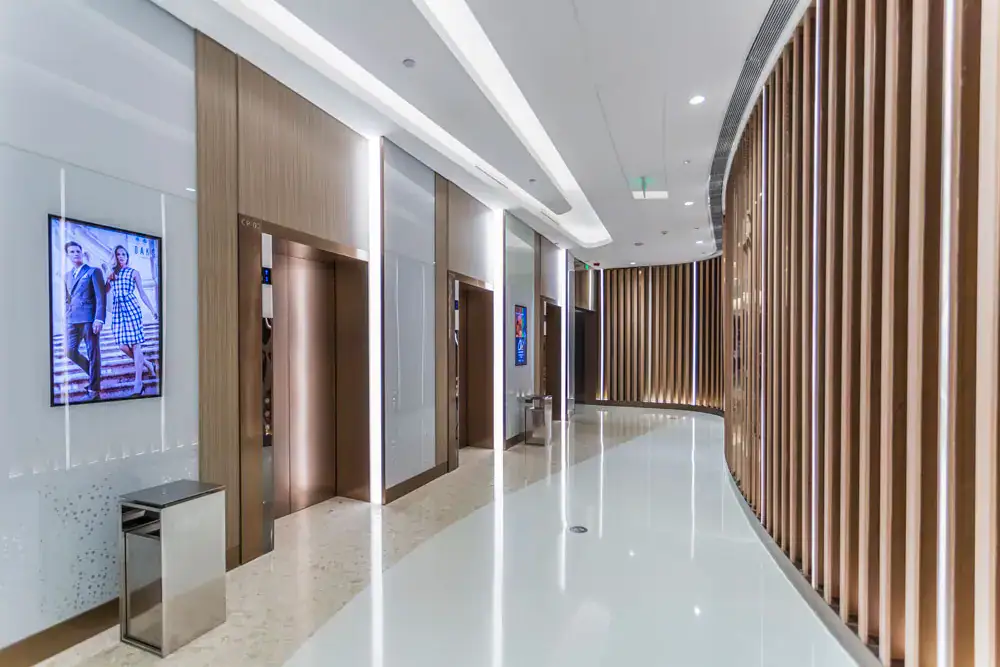
When it comes to commercial spaces, flooring is one of the most critical components of the environment. It needs to withstand heavy foot traffic, resist wear and tear, and maintain a professional appearance. Epoxy floor coatings, with their unique selling points of durability, versatility, and aesthetic appeal, have become a popular choice for businesses. They can transform any commercial floor into a functional and visually appealing surface, making them an ideal solution for retail stores, warehouses, healthcare facilities, and office buildings.
In this blog, we’ll explore what epoxy floor coatings are, their benefits, the application process, and how to maintain them to ensure they stand the test of time. Whether you’re considering epoxy for your business or simply curious about its advantages, this guide will provide all the information you need.
What Are Epoxy Floor Coatings?
Epoxy floor coatings are a type of resinous flooring solution created by combining epoxy resin and a hardener. When mixed, these components create a chemical reaction that forms a rigid, plastic-like surface that adheres firmly to concrete or other flooring materials. The result is a durable, seamless, and highly resistant surface ideal for commercial environments.
Epoxy coatings can be customized to suit specific needs, including different levels of thickness, textures, and colors. They are often used in commercial spaces due to their ability to handle high levels of stress, such as heavy machinery, frequent cleaning, and chemical exposure.
Benefits of Epoxy Floor Coatings for Commercial Spaces
1. Durability and Longevity
One of the primary reasons businesses choose epoxy flooring is its exceptional durability. Once cured, epoxy forms a firm, seamless surface that can withstand heavy loads, high traffic, and impact without cracking or chipping. This makes it ideal for warehouses, factories, and retail spaces where the flooring endures constant use.
2. Chemical and Stain Resistance
Epoxy coatings are resistant to a wide range of chemicals, oils, and other substances that can damage traditional flooring. This resistance makes them particularly useful in industrial settings, garages, and healthcare facilities where spills are common.
3. Low Maintenance
Cleaning and maintaining epoxy floors are relatively easy. Their seamless surface prevents dirt, dust, and bacteria from accumulating in cracks or grout lines. Regular sweeping and occasional mopping are usually sufficient to keep them looking pristine.
4. Customizable Appearance
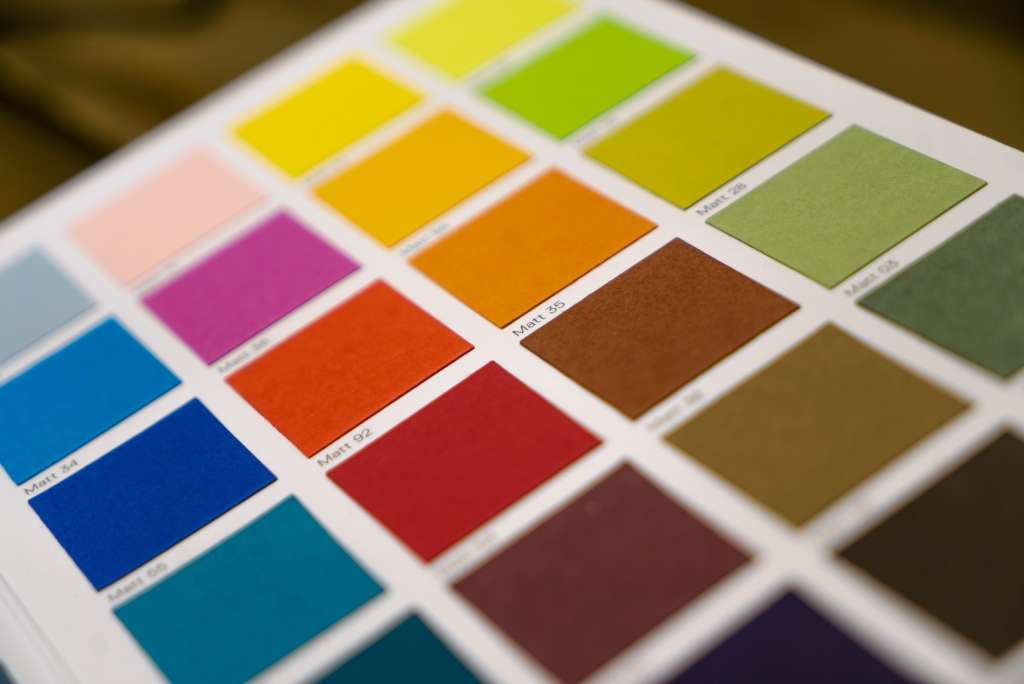
Epoxy floor coatings are available in a variety of colors, patterns, and finishes. Whether you prefer a high-gloss finish for a professional look or a textured surface for added safety, epoxy can be tailored to match your aesthetic and functional needs.
5. Safety Features
Epoxy flooring can be enhanced with anti-slip additives to improve safety, especially in areas prone to spills or moisture. Reflective finishes can also brighten spaces, reducing the need for additional lighting.
The Application Process for Epoxy Floor Coatings
Applying epoxy coatings requires professional expertise to ensure the best results. Below is an overview of the typical process:
1. Preparation
The first step in applying epoxy is preparing the surface. This involves cleaning the floor thoroughly to remove any dirt, grease, or existing coatings. In some cases, the surface may need to be mechanically ground or shot-blasted to ensure proper adhesion.
2. Repairing Cracks and Imperfections
Any cracks, holes, or uneven areas in the floor must be repaired before applying the epoxy. A smooth, clean surface is essential for the coating to bond correctly and provide a seamless finish.
3. Applying the Primer
A primer is often applied to enhance adhesion and seal the surface. This step creates a strong base for the epoxy layers that follow.
4. Mixing and Applying the Epoxy
Once the surface is ready, the epoxy resin and hardener are mixed according to precise ratios. The mixture is then poured onto the floor and spread evenly using rollers or squeegees. Depending on the desired thickness and finish, multiple layers may be applied.
5. Curing
After application, the epoxy coating needs time to cure. This process can take anywhere from 24 to 72 hours, depending on factors such as temperature, humidity, and the type of epoxy used.
Common Applications of Epoxy Flooring in Commercial Spaces
1. Retail and Showrooms
Epoxy flooring offers a sleek and modern appearance, making it an excellent choice for retail stores and showrooms. Its customizable design allows businesses to create an inviting and professional atmosphere that aligns with their branding.
2. Warehouses and Factories
The durability and resistance of epoxy coatings make them ideal for warehouses and factories. They can handle the weight of heavy machinery, forklifts, and high traffic without deteriorating over time.
3. Healthcare Facilities
In healthcare settings, hygiene is a top priority. Epoxy’s seamless surface prevents the accumulation of bacteria and is easy to clean, making it a preferred choice for hospitals, clinics, and laboratories.
4. Office Spaces
Epoxy floors can elevate the aesthetics of office spaces while offering long-lasting performance. Reflective finishes can also enhance lighting, creating a brighter and more productive work environment.
5. Restaurants and Food Processing Plants
In the food industry, flooring must be non-porous, easy to clean, and resistant to chemicals and spills. Epoxy coatings meet all these requirements, ensuring a safe and hygienic environment.
Maintaining Epoxy Floor Coatings
Proper maintenance is essential to extend the lifespan and appearance of epoxy floors. Regular cleaning, avoiding harsh chemicals, protecting high-traffic areas, repairing damage promptly, and periodic recoating are all important steps in keeping your epoxy flooring in top condition.
- Regular Cleaning: Sweep or vacuum the floor daily to remove dirt and debris that can scratch the surface. Use a damp mop with a mild detergent for deeper cleaning.
- Avoid Harsh Chemicals While epoxy is resistant to many substances, harsh chemicals can dull the finish over time. Stick to cleaning products recommended for epoxy surfaces.
- Protect High-Traffic Areas Place mats or rugs in entryways and high-traffic zones to reduce wear and tear.
- Repair Damage Promptly Address any chips or scratches as soon as possible to prevent further damage. Professional repairs can restore the surface to its original condition.
- Periodic Recoating Over time, the top layer of epoxy may wear down. Recoating the floor periodically can refresh its appearance and maintain its protective qualities.
Epoxy floor coatings are an excellent investment for commercial spaces, offering unmatched durability, customization, and low maintenance. Whether you’re running a busy warehouse, managing a sleek office, or operating a high-traffic retail store, epoxy flooring can provide a functional and aesthetically pleasing solution that meets your needs.
By understanding the benefits, application process, and maintenance requirements, you can make an informed decision about incorporating epoxy floor coatings into your business. With the help of professional installation and proper care, epoxy flooring can enhance the functionality and appearance of your commercial space for years to come.
FAQ
1. How can epoxy floor coatings transform the identity and branding of a commercial space?
Epoxy floor coatings offer more than just durability—they can be customized with colors, patterns, and even 3D designs that reflect a company’s brand, values, or local culture. Businesses can incorporate logos, thematic elements, or artistic visuals directly into the floor, turning a functional surface into a memorable part of the customer experience. This creative approach not only enhances aesthetics but also strengthens brand recognition and customer engagement.
2. What sustainability considerations should businesses weigh when choosing epoxy flooring?
While epoxy flooring is celebrated for its longevity and reduced need for replacement, which lowers environmental impact, it is also derived from petroleum-based chemicals and can emit volatile organic compounds (VOCs) during installation. Forward-thinking businesses should seek low-VOC or eco-friendly epoxy formulations and consider the full lifecycle impact, balancing durability with environmental responsibility.
3. What are the most common installation pitfalls, and how can they be avoided?
Improper surface preparation is the leading cause of epoxy floor failures, resulting in peeling, bubbling, or poor adhesion. Issues like trapped air, humidity, or contaminants in the substrate can compromise the finish. To avoid these problems, it’s crucial to use a primer, ensure the surface is clean and dry, and apply the epoxy in thin, even layers. Engaging experienced professionals and using UV-resistant topcoats for sun-exposed areas can further extend the floor’s life and appearance.
4. In what ways do epoxy floor coatings enhance safety and functionality in high-traffic commercial environments?
Epoxy coatings can be engineered for slip resistance, chemical resistance, and even antimicrobial properties, making them ideal for spaces like hospitals, kitchens, and warehouses. They can also be designed with color-coded zones or line markings to improve workflow, designate safe walkways, and reduce workplace accidents. The seamless, non-porous surface is easy to clean, supporting both hygiene and safety standards.
5. Are there innovative alternatives or upgrades to traditional epoxy coatings for commercial spaces?
Yes, advanced systems like polyurea polyaspartic coatings offer even greater abrasion resistance, faster curing times, and lower VOC emissions compared to traditional epoxy. These alternatives are especially valuable for businesses needing rapid turnaround or enhanced durability in extreme environments. However, they require specialized installation and may come at a higher initial cost, so businesses should assess their specific needs and consult with flooring experts before choosing.

James Schrienk, a resident of Columbus, OH, is the proud owner of 3S Painting. With a wealth of experience in managing businesses of various scales, his expertise lies in project and people management. Jim thrives in team environments, always focusing on labor efficiency and delivering high-quality client results. His leadership style and practical communication skills have made him an exceptional manager and a driving force behind the success of 3S Painting. When he’s not leading his team to excellence, Jim enjoys continuously exploring innovative strategies to improve customer satisfaction.