
Choosing between DIY and professional exterior painting can be challenging for homeowners. Many wonder if they should tackle the project themselves or seek out Columbus painting services. This guide will explore the benefits of both options, including using a sprayer for DIY projects and the advantages of hiring a professional. By understanding the costs and requirements of each approach, readers will gain clarity on how to make the best choice for their home renovation needs. This content aims to address common concerns and help homeowners feel confident in their decision-making process.
Key Takeaways
- Assess the home's exterior condition before deciding on DIY or professional painting
- Understand the scope of work to estimate the time and effort required for the project
- Recognize local weather impacts to ensure proper timing and material selection
- Evaluate costs and potential hidden expenses when comparing DIY and professional options
- Prioritize safety precautions and proper preparation for a successful painting outcome
Evaluating Your Exterior Painting Project Needs

Evaluating the needs of an exterior paint job involves several key factors. First, assessing the current condition of the home’s exterior helps determine if repairs are necessary. Next, identifying the scope of work required, including the amount of dust and preparation needed, is crucial. Additionally, understanding the time and effort involved, recognizing potential challenges, and considering local weather impacts on the painting will guide the decision between DIY and professional exterior painting from Columbus painting services. Each aspect plays a significant role in estimating the overall price and ensuring a successful project.
Assessing the Current Condition of Your Home's Exterior
Assessing the current condition of a home's exterior is a critical first step in deciding between DIY and professional exterior painting. Before painting begins, homeowners should look for signs of wear, such as peeling paint, cracks, or mold, which can indicate the need for repairs. Factors like humidity can also affect paint adhesion and longevity, adding complexity to the project and increasing the risk of future issues if not appropriately addressed.
- Inspect for peeling paint and cracks.
- Check for mold or mildew growth.
- Evaluate the impact of humidity on the painting process.
- Consider necessary repairs before painting.
- Determine if the project's complexity requires a handyman or professional help.
Identifying the Scope of Work Required
Identifying the scope of work required for a house painting project is essential for determining whether to do it yourself or hire a professional contractor. Homeowners should consider factors such as the size of the area to be painted, the type of paint sheen desired, and any necessary surface preparation. Understanding these elements helps estimate the time and effort involved, ensuring that the project aligns with the homeowner's skills and resources or highlights the need for expert assistance.
Determining the Time and Effort Involved
Determining the time and effort involved in an exterior painting project is essential for homeowners considering whether to tackle the job themselves or hire a professional. This process often requires sandpaper for surface preparation and a ladder for reaching high areas, including the roof. Homeowners should take pride in their work but must also realistically assess their skills and the time commitment needed to complete the project effectively. This will ensure they do not overlook critical steps that could impact the final result.
Recognizing Potential Challenges and Obstacles
Recognizing potential challenges and obstacles is vital for homeowners contemplating an exterior painting project. Factors such as the need for specialized knowledge about different paint brands, the condition of the drywall, and the proper use of tools like a paintbrush can significantly impact the outcome. Homeowners should also consider whether they have the time and resources to address unexpected issues or if hiring professional painting services would be a more efficient solution.
- Assess the need for specialized knowledge about paint brands.
- Evaluate the condition of the drywall before painting.
- Consider the proper use of tools like a paintbrush.
- Identify potential time constraints and resource availability.
- Decide if professional painting services are necessary for efficiency.
Understanding Local Weather Impacts on Painting
Understanding local weather impacts on painting is crucial for homeowners considering an exterior paint job. Factors such as humidity, temperature fluctuations, and precipitation can lead to water damage if not adequately accounted for. For those contemplating DIY projects, these weather conditions may pose challenges that require creativity and adaptability. However, hiring professional painters can mitigate these risks. They possess the expertise to select appropriate materials and timing for the job, ensuring the longevity of the paint on wood surfaces and overall project success.
Exploring the DIY Exterior Painting Option

Exploring the DIY exterior painting option offers homeowners a chance to save money while gaining satisfaction from their work. This section covers the benefits of painting your home yourself, the essential skills and experience needed, and safety precautions for DIY painters. It also highlights how to select the right tools and materials and tips for achieving a professional-looking finish, ensuring that the project meets high standards without needing professional services.
Benefits of Painting Your Home Yourself
Painting a home’s exterior alone can provide significant benefits, mainly cost savings and personal satisfaction. Homeowners who choose the DIY route can avoid the expenses of hiring professional painting services, allowing them to allocate funds toward other home improvement projects. Additionally, taking on the task of exterior painting can foster a sense of accomplishment as individuals witness the transformation of their home firsthand, reducing the risk of failure that may arise from relying on others.
- Cost savings by avoiding professional painting fees.
- Personal satisfaction from completing the project independently.
- Opportunity to allocate funds to other home improvement needs.
- Control over the painting process and choice of materials.
- Learning valuable skills that can be applied to future projects.
Essential Skills and Experience Needed
Homeowners considering a DIY exterior painting project should possess essential skills and experience to ensure a successful outcome. Understanding paint adhesion is crucial, as it affects the longevity of the finish, especially when using latex paints that resist mold and stains. Familiarity with surface preparation techniques, such as cleaning and priming, can significantly enhance the paint job's durability, making it vital for those looking to achieve professional results on their own.
- Understanding paint adhesion for better results.
- Knowledge of latex paints and their benefits.
- Experience with surface preparation to prevent mold and stains.
- Ability to assess and address potential issues before painting.
- Skills in applying paint evenly for a professional finish.
Safety Precautions for DIY Painters
Safety precautions are essential for DIY painters to ensure a successful exterior house project while minimizing risks. Before starting, individuals should consider using pressure washing to clean surfaces thoroughly, as this helps paint adhere better and enhances curb appeal. Additionally, wearing protective gear, such as gloves and masks, is crucial to prevent exposure to harmful chemicals in paint and ensure one possesses the necessary skills to handle tools safely. This can help avoid accidents and provide a quality finish that may come with a warranty.
Selecting the Right Tools and Materials
The right tools and materials are crucial for a successful DIY exterior painting project. Homeowners should also pay attention to the type of paint they choose. Enamel paint is a popular option for its durability and finish. Additionally, using a quality primer is essential for ensuring proper adhesion, especially on plastic surfaces, which can be challenging for paint to stick to without adequate preparation.
- Choose durable enamel paint for long-lasting results.
- Use a quality primer to enhance paint adhesion.
- Consider the surface material, such as plastic, when selecting products.
- Invest in high-quality brushes and rollers for a professional finish.
- Gather necessary safety gear to protect during the painting process.
Tips for Achieving a Professional-Looking Finish
Homeowners should focus on proper surface preparation and technique to achieve a professional-looking finish in a DIY exterior painting project. Sanding the surfaces before painting helps create a smooth base, allowing the paint to adhere better and resulting in a more polished appearance. Additionally, using long, even strokes while applying paint ensures consistent coverage and minimizes visible brush marks, contributing to a high-quality finish that rivals professional work.
Considering Professional Exterior Painting Services

Hiring experienced painters in Columbus offers numerous advantages, including expertise in surface preparation and access to high-quality materials. Professionals typically provide various services, from detailed consultations to final touch-ups. This section will cover choosing a reputable painting contractor, evaluating estimates and contracts, understanding service warranties and guarantees, and ensuring homeowners make informed decisions.
Advantages of Hiring Experienced Painters
Hiring experienced painters brings several advantages that can significantly enhance the quality and efficiency of an exterior painting project. Professionals possess the expertise to assess the condition of surfaces, ensuring proper preparation and application techniques that lead to a durable finish. Additionally, they have access to high-quality materials and tools, which can result in a more polished appearance and longer-lasting results compared to a DIY approach.
- Expert assessment of surface conditions.
- Proper preparation and application techniques.
- Access to high-quality materials and tools.
- Efficient project completion.
- Long-lasting and polished results.
Services Typically Provided by Professionals
Professional exterior painting services typically include a comprehensive range of offerings to ensure a high-quality finish. These services often start with a thorough assessment of the surfaces to be painted, followed by meticulous preparation work such as power washing, scraping, and priming. Additionally, experienced painters utilize high-grade materials and advanced techniques to achieve a durable and aesthetically pleasing result, addressing common homeowner concerns about longevity and maintenance.
How to Choose a Reputable Painting Contractor
Choosing a reputable painting contractor is essential for ensuring a successful exterior painting project. Homeowners should start by researching local contractors, checking online reviews, and asking friends or family for recommendations. Verifying that the contractor is licensed and insured is also essential, as this protects the homeowner from potential liabilities during the project.
- Research local contractors and read online reviews.
- Ask for recommendations from friends or family.
- Verify the contractor's licensing and insurance.
- Request detailed estimates and compare them.
- Discuss the timeline and materials to be used.
Evaluating Estimates and Contracts
Evaluating estimates and contracts is crucial for homeowners considering professional exterior painting services. Each estimate should include the scope of work, materials to be used, and the timeline for completion. Homeowners should also look for transparency in pricing and any potential additional costs that may arise during the project. Ensure that the contract clearly outlines all terms to avoid misunderstandings later on.
Understanding Service Warranties and Guarantees
Understanding service warranties and guarantees is essential for homeowners considering professional exterior painting services. A reputable contractor typically offers warranties that cover both the workmanship and the materials used, providing peace of mind that the job will be completed to a high standard. Homeowners should carefully review these warranties, noting the duration and specific conditions, as this can protect them from future costs related to peeling paint or other issues that may arise after the project is finished.
Comparing Costs Between DIY and Professional Painting
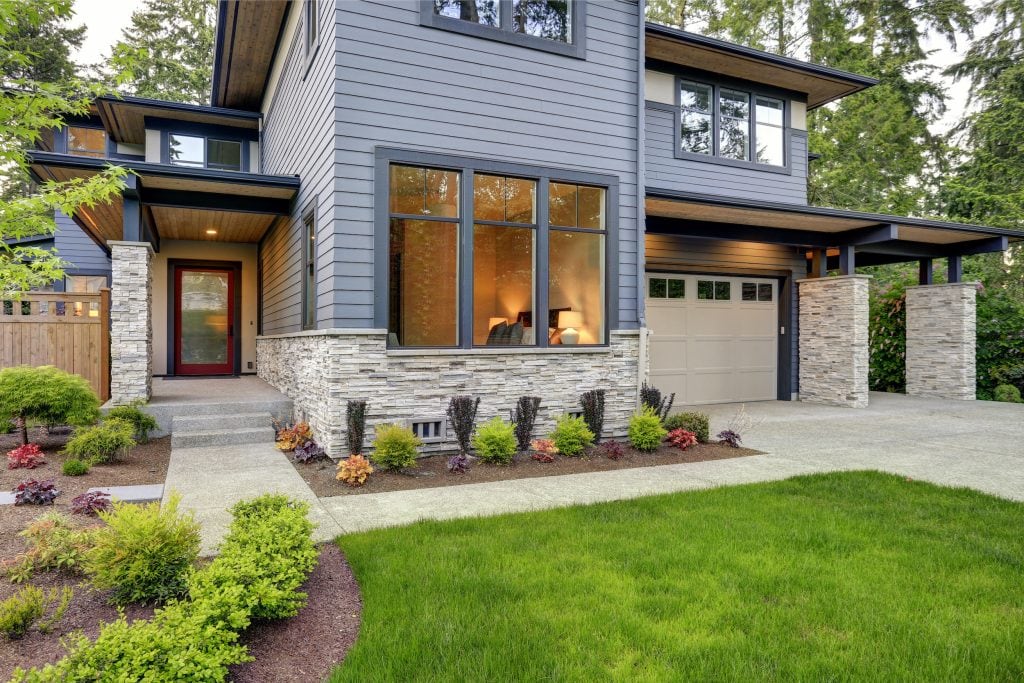
Cost comparison between DIY and professional exterior painting involves several key factors. First, breaking down the expenses of DIY painting helps homeowners understand material and tool costs. Next, understanding professional pricing structures reveals what to expect when hiring experts. Additionally, homeowners should be aware of hidden costs that may arise. Evaluating long-term value and return on investment is crucial, along with budgeting tips for a successful painting project. Each of these aspects provides valuable insights for making an informed decision.
Breaking Down the Expenses of DIY Painting
Breaking down the expenses of DIY painting involves several key components that homeowners must consider. First, the cost of materials such as paint, primer, brushes, and rollers can add up quickly, often ranging from $200 to $600, depending on the project size. Additionally, homeowners should factor in the cost of tools, safety gear, and any necessary surface repairs, which can further impact the overall budget for the DIY exterior painting project.
- Calculate the cost of paint and primer.
- Include expenses for brushes, rollers, and other tools.
- Account for safety gear like gloves and masks.
- Consider potential repair costs for the surface.
- Estimate the time investment required for the project.
Understanding Professional Pricing Structures
Understanding professional pricing structures for exterior painting is essential for homeowners evaluating their options. Typically, professional painters charge based on the size of the project, the type of materials used, and the job's complexity. For instance, a larger home may incur higher costs due to the increased labor and materials required, while specialized finishes or extensive prep work can further elevate the price. Homeowners should request detailed estimates that outline these factors, ensuring transparency and helping them make informed decisions about whether to pursue a DIY approach or hire professionals.
Hidden Costs to Watch For
When comparing DIY and professional exterior painting costs, homeowners should know hidden fees that can significantly impact the overall budget. For instance, unexpected repairs to the home's exterior, such as fixing rotting wood or addressing mold issues, can arise during the preparation phase, leading to additional expenses. Furthermore, the need for specialized tools or equipment, which may not be readily available, can add to the financial burden of a DIY project, making it essential to factor in these potential costs when deciding on the best approach for their painting needs.
Long-Term Value and Return on Investment
When evaluating the long-term value and return on investment (ROI) of exterior painting, homeowners should consider how the quality of the work impacts property value. A professionally executed paint job enhances curb appeal and protects the home from weather-related damage, potentially saving on future repair costs. In contrast, a DIY project may save money upfront but could lead to higher expenses if the paint fails prematurely or requires frequent touch-ups due to inadequate preparation or application.
- Assess the quality of work and its impact on property value.
- Consider the protection against weather-related damage.
- Evaluate potential future repair costs from poor DIY work.
- Weigh upfront savings against long-term expenses.
Budgeting Tips for Your Painting Project
Budgeting for an exterior painting project requires careful planning to ensure all costs are accounted for, whether opting for a DIY approach or hiring professionals. Homeowners should estimate the total expenses, including paint, primer, tools, and necessary repairs. It is also wise to set aside a contingency fund for unexpected costs that may arise during the project, such as additional materials or repairs, ensuring the budget remains flexible and manageable.
- Estimate total expenses, including paint and tools.
- Account for necessary repairs before painting.
- Set aside a contingency fund for unexpected costs.
- Consider both DIY and professional options in the budget.
- Review and adjust the budget as needed throughout the project.
Making the Best Decision for Your Home

Making the best decision for exterior painting involves several key considerations. Homeowners must weigh their skills against the project's demands, assess their time availability and deadlines, and consider the desired quality and durability of the finish. Health and safety concerns also play a crucial role in deciding between DIY and professional services. These factors will be explored to guide homeowners in making an informed choice.
Weighing Your Skills Against Project Demands
For homeowners contemplating an exterior painting, weighing skills against project demands is essential. Individuals should honestly assess their painting experience, comfort with tools, and ability to handle various surfaces. For instance, a homeowner with prior painting experience may feel confident tackling a straightforward project. At the same time, someone less experienced might find it beneficial to hire professionals to ensure a high-quality finish and avoid costly mistakes.
Assessing Time Availability and Deadlines
Assessing time availability and deadlines is crucial for homeowners deciding between DIY and professional exterior painting. Homeowners should realistically evaluate how much time they can dedicate to the project, considering work schedules, family commitments, and weather conditions. If the timeline is tight or the project requires extensive preparation and multiple coats, hiring professional painters may be the more efficient choice, ensuring the job is completed on time without compromising quality.
Considering the Desired Quality and Durability
When deciding between DIY and professional exterior paint jobs, homeowners must consider the desired quality and durability. A high-quality finish enhances the home's appearance and protects it from weather-related damage, which can lead to costly repairs down the line. Homeowners should evaluate their expectations for longevity and aesthetics, as professional painters often use superior materials and techniques that ensure a more durable and polished result than a DIY approach.
- Assess the importance of quality in exterior painting.
- Understand the benefits of professional materials and techniques.
- Evaluate the long-term protection against weather damage.
- Consider the impact of a high-quality finish on home value.
Factoring in Health and Safety Concerns
Factoring in health and safety concerns is essential when deciding between DIY and professional exterior painting. Homeowners should consider the risks associated with handling paint and tools, including exposure to harmful chemicals and potential accidents while working at heights. For those lacking experience, hiring professional painters can provide peace of mind. They are trained to follow safety protocols and use protective equipment, ensuring a safer environment during the painting process.
Deciding Between DIY and Professional Services
Deciding between DIY and professional exterior painting requires careful consideration of various factors. Homeowners should evaluate their skill level, available time, and the project's complexity. For instance, a straightforward paint job may be manageable for someone with essential experience. At the same time, intricate designs or extensive repairs might necessitate hiring professionals to ensure a high-quality finish and avoid costly mistakes.
- Assess personal skills and experience with painting.
- Evaluate the time available for the project.
- Consider the complexity of the painting job.
- Weigh the benefits of professional expertise against DIY satisfaction.
- Determine the long-term value of the investment in quality work.
Preparing for a Successful Painting Project

Preparing for a successful painting project involves several key steps. Homeowners should begin by planning their project timeline and schedule to ensure efficient execution. Gathering the necessary resources and supplies is essential for DIYers. Alternatively, coordinating with a professional painter can streamline the process. Additionally, preparing the home’s exterior before painting and understanding post-painting care and maintenance tips will provide a durable and appealing finish.
Planning Your Project Timeline and Schedule
Planning a project timeline and schedule is essential for a successful exterior painting job, whether undertaken as a DIY project or by hiring professionals. Homeowners should start by determining the best time of year for painting, considering weather conditions and personal availability. Creating a detailed schedule that outlines each phase of the project, from preparation to final touches, helps ensure that the work proceeds smoothly and stays on track, minimizing delays and unexpected issues:
- Assess the best season for painting based on local weather.
- Determine personal availability for a DIY project or schedule consultations with professionals.
- Create a timeline that includes preparation, painting, and drying times.
- Account for potential weather-related delays in the schedule.
- Review and adjust the timeline as needed throughout the project.
Gathering Resources and Supplies for DIY
Gathering the right resources and supplies is essential for homeowners embarking on a DIY exterior painting project. This includes selecting high-quality paint, primer, brushes, rollers, and safety gear to ensure a successful outcome. Homeowners should also consider investing in tools like ladders and drop cloths to protect surfaces and facilitate access to hard-to-reach areas, ultimately enhancing the efficiency and quality of their work.
Coordinating With Your Chosen Professional Painter
Coordinating with a chosen professional painter ensures a smooth and successful exterior painting project. Homeowners should communicate their vision clearly, discussing color choices, desired finishes, and any specific concerns about the surfaces to be painted. Establishing a timeline and understanding the scope of work will help set realistic expectations, allowing both parties to align on project goals and avoid potential misunderstandings that could impact the final result.
Preparing Your Home’s Exterior Before Painting Begins
Preparing a home’s exterior before painting is essential for a long-lasting finish. Homeowners should start by thoroughly cleaning the surfaces to remove dirt, dust, and loose paint, which ensures better paint adhesion. Additionally, inspecting for any repairs, such as filling cracks or replacing damaged siding, is crucial to prevent future issues and enhance the overall appearance of the paint job.
Post-Painting Care and Maintenance Tips
Post-painting care and maintenance are essential for preserving the quality and longevity of an exterior paint job, whether completed as a DIY project or by professionals. Homeowners should regularly inspect the painted surfaces for signs of wear, such as peeling or fading and promptly address any issues to prevent further damage. Additionally, routine cleaning with mild soap and water can help maintain the paint's appearance and protect it from dirt and grime accumulation:
- Regularly inspect painted surfaces for wear and damage.
- Address any issues promptly to prevent further deterioration.
- Clean surfaces with mild soap and water to maintain appearance.
- Consider reapplying touch-up paint as needed.
- Keep gutters clean to prevent water damage to painted areas.
 Columbus, Ohio